
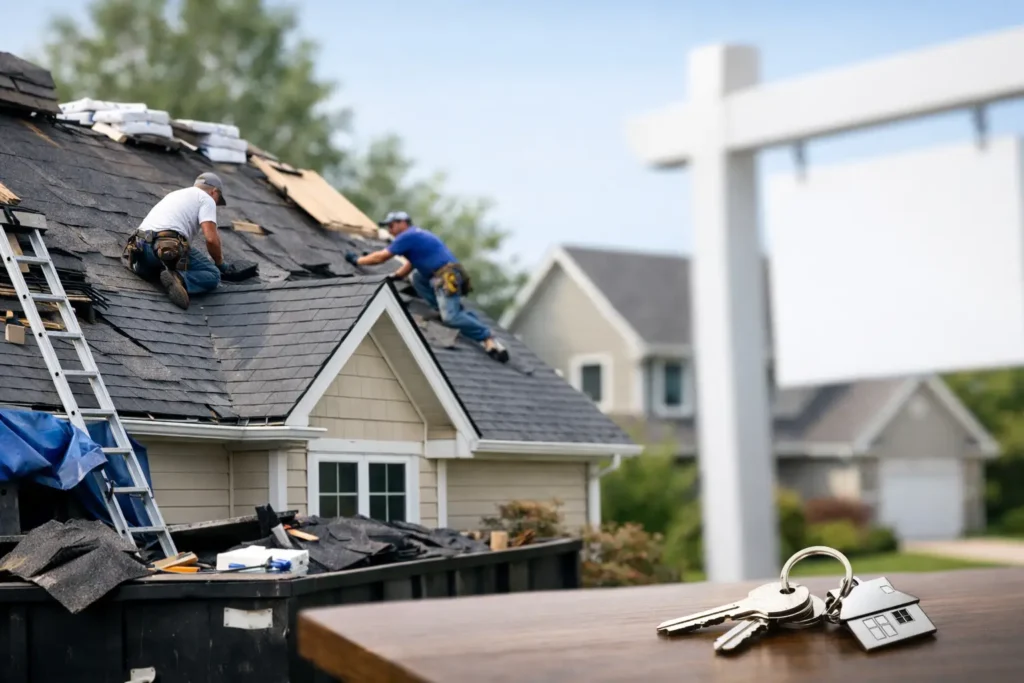
A buyer standing in your driveway may notice the roof before they notice the updated kitchen. Curling shingles, dark stains, moss growth, or a sagging roofline can quickly raise questions about water damage, repair costs, and the condition of the rest of the house. That is why roof replacement before home sale is often a serious decision for Central New York homeowners, not just a curb appeal project.
A new roof can make a home easier to market, reduce inspection-related negotiations, and give buyers confidence that they will not face a major expense right after closing. But replacement is not automatically the right move. The best choice depends on the roof’s age, condition, local market expectations, your selling timeline, and whether a well-documented repair can solve the problem.
When Roof Replacement Before Home Sale Makes Sense
Replacing the roof is usually worth considering when its condition is likely to stop a buyer, affect financing, or become a major point of negotiation. A buyer may accept an older roof that is functioning well. They are far less likely to overlook active leaks, missing shingles, soft decking, damaged flashing, or obvious signs of storm damage.
A replacement often makes the most sense if the roof is near the end of its expected service life. Many asphalt shingle roofs last roughly 20 to 30 years, depending on material quality, ventilation, installation, weather exposure, and maintenance. In Syracuse and throughout Central New York, snow loads, freeze-thaw cycles, wind, ice dams, and heavy rain can shorten that timeline when small issues are left unaddressed.
It can also be the stronger option when you want to list at a competitive price. Buyers comparing several homes may see a new roof as one less unknown. Even if they do not pay dollar-for-dollar more for it, they may be more willing to make an offer quickly and with fewer demands.
A roof replacement can be particularly helpful when:
- The roof has widespread shingle loss, curling, cracking, or granule loss.
- There is evidence of an active leak, water stains, mold, or deteriorated roof decking.
- The roof has failed a prior inspection or is likely to create an issue during the buyer’s inspection.
- The roof’s age could concern lenders, insurers, or buyers using certain loan programs.
- Storm damage has affected more than a small, isolated area.
The goal is not to make every house look brand new. It is to remove a costly, highly visible concern that could slow down the sale.
When Repair Is the Better Choice
Not every aging roof needs to be replaced before you put the home on the market. If a roof has years of service left and the issue is limited, a professional repair may be the more practical investment.
For example, a few wind-damaged shingles, worn pipe boot flashing, a small chimney flashing issue, or a localized leak may be repairable without replacing the entire roof. A quality repair, paired with clear documentation of the work completed, can show buyers that the issue was addressed responsibly rather than ignored.
This approach can make sense when you need to sell quickly, do not expect to recover the full replacement cost in your price range, or have a roof that is generally sound but needs attention in one area. It may also be the right answer if you are selling an entry-level home where buyers are more focused on price than premium finishes.
There is a line between a sensible repair and a temporary patch. If repairs are becoming frequent, shingles are brittle across the roof, or leaks are appearing in multiple locations, repeated fixes may only postpone a replacement that becomes unavoidable during negotiations.
Do Not Rely on a Quick Cosmetic Fix
Painting roof stains, covering interior water spots, or replacing a few visible shingles without diagnosing the cause can create bigger problems later. Buyer inspections are designed to find moisture issues, damaged flashing, inadequate ventilation, and signs of past leaks.
A straightforward repair or replacement is usually the safer path. It protects your credibility as a seller and helps prevent a last-minute request for a large credit after the buyer has already inspected the property.
How a Roof Affects Inspections, Appraisals, and Negotiations
The roof is one of the first major systems a home inspector evaluates. If the inspector notes active leaks, worn shingles, exposed fasteners, damaged gutters, or an aging roof with limited remaining life, buyers may ask for repairs, a price reduction, or money held in escrow.
A roof issue can also complicate lending and insurance. Some buyers cannot move forward easily if an insurer will not bind coverage due to the roof’s condition. Certain loan programs may require repairs to be completed before closing if the roof creates a health, safety, or property-condition concern. These details vary by lender and buyer, but they are worth thinking about before the listing goes live.
Replacing the roof ahead of time gives you more control. You can select the contractor, choose the material, schedule the work around your listing plans, and present the buyer with a clean record of the project. Waiting until after inspection often means rushed decisions and less room to negotiate.
That said, a new roof is not a guarantee of a higher appraisal. Appraisers look at the whole property and comparable sales in the area. The value of replacement may show up more in a smoother transaction, stronger buyer interest, and fewer concessions than in a one-to-one increase in the sale price.
Start With an Honest Roof Inspection
Before spending money, get a professional inspection from a contractor who can explain what they see in plain language. You need more than an estimate based on the roof’s age or a glance from the ground. A proper assessment should consider shingle condition, flashing, penetrations, valleys, drainage, attic ventilation, decking concerns, and any evidence of leaks or storm damage.
Ask for a clear explanation of whether the roof needs replacement now, can be repaired reliably, or should be monitored. If replacement is recommended, ask what is included in the scope of work. Proper removal of old materials, deck inspection, underlayment, ice and water protection, flashing work, ventilation, and cleanup all matter. A low quote that skips critical details can create problems for both your sale and the next owner.
Alpha Omega Roofing LLC helps homeowners evaluate roof conditions honestly, including storm-related damage and urgent leaks. A documented inspection and transparent estimate can help you make a selling decision based on the roof’s actual condition, not guesswork.
Timing the Work Before You List
If you decide to replace the roof, schedule it before listing photos, open houses, and showings whenever possible. Fresh materials, clean gutters, and a finished roofline improve the home’s first impression. More importantly, you will not have crews, debris, and weather delays interrupting buyer visits.
Build in time for weather. Central New York roofing projects can be affected by rain, high winds, snow, and cold temperatures. Spring through fall often provides more scheduling flexibility, but an experienced local contractor can advise on safe installation conditions and realistic timing.
Keep every document related to the project. The final contract, proof of payment, material information, warranty details, permits if required, and photos of completed work can all help answer buyer questions. Give these records to your real estate agent before the home goes on the market.
Consider an Insurance Claim Carefully
If wind, hail, falling branches, or another covered event damaged the roof, insurance may be part of the conversation. Do not assume that age-related wear is covered, and do not sign anything until you understand the scope of damage and your policy terms.
A contractor experienced with storm damage can identify visible concerns and help document the condition of the roof. Your insurer makes the coverage decision, but accurate information and timely documentation can make the process clearer. If a claim is appropriate, handling it before the sale may prevent the buyer from inheriting an unresolved issue.
Make the Decision That Supports Your Sale
The right choice comes down to risk. If the roof is a likely deal-breaker, replacing it before listing can protect your price, shorten negotiations, and give buyers confidence. If the roof is fundamentally sound, a targeted repair may preserve your budget while still addressing what buyers and inspectors will see.
Do not wait for a buyer’s inspection to tell you what your roof needs. A professional assessment before you list gives you time to choose the practical option, complete the work properly, and put your home on the market with fewer unanswered questions.