
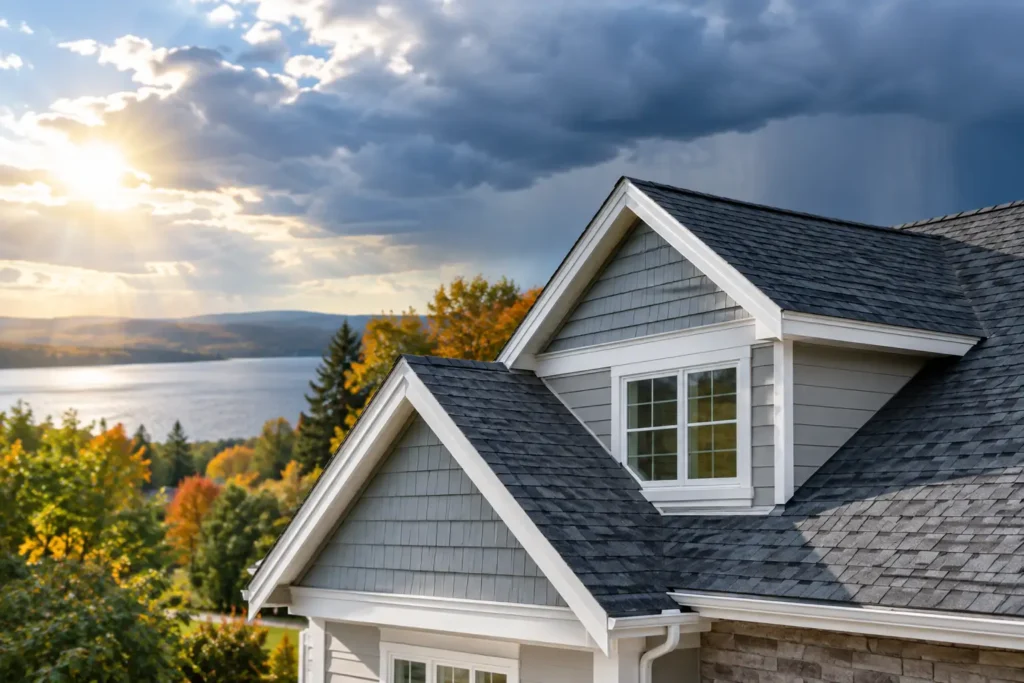
A roof can look perfectly acceptable from the driveway and still be one hard storm away from leaking. That is why weatherproof roofing matters so much for Central New York homeowners. It is not just about having shingles overhead. It is about building and maintaining a complete system that sheds water, resists wind, handles snow loads, and keeps melting ice from finding its way into your home.
In Syracuse and nearby communities, roofs take a beating. Heavy lake-effect snow, freeze-thaw cycles, driving rain, high winds, and summer storms can expose weak spots quickly. A small issue around a vent, chimney, flashing detail, or aging shingle can turn into stained ceilings, wet insulation, damaged framing, and a much larger repair bill.
What a Weatherproof Roof Must Handle
A roof in Central New York needs to perform in more than one type of weather. Wind can lift or crease shingles. Rain can work under loose flashing. Snow can sit on the roof for days, then melt and refreeze near the eaves. That refreezing is what creates ice dams, which can force water beneath shingles and into the roof deck.
The material on top of the roof matters, but weather protection depends on the layers beneath it too. Underlayment provides another barrier against moisture. Ice and water protection helps defend vulnerable areas, particularly along eaves and in valleys. Proper flashing directs water away from roof penetrations and wall intersections. Ventilation helps control heat and moisture in the attic, reducing conditions that contribute to ice dams and premature shingle wear.
When one of these components is missing, poorly installed, or worn out, the roof may not fail all at once. Instead, it can allow small amounts of water in over time. Those slow leaks are often the most expensive because they remain hidden until visible damage appears inside.
Start by Following Water’s Path
Homeowners often focus on the field of shingles, but water usually enters where roof sections meet or where something passes through the roof. Chimneys, skylights, plumbing vents, dormers, valleys, and roof-to-wall transitions all require careful flashing and sealing.
A weatherproof roofing inspection should look beyond whether shingles are missing. It should check whether flashing is loose, rusted, improperly layered, or covered with failing sealant. It should also assess valleys for debris buildup, examine ridge caps for wind damage, and look for exposed nail heads that can become entry points for water.
Inside the home, the attic often tells the real story. Dark staining on roof sheathing, damp insulation, mildew odors, daylight around penetrations, or frost on nails can point to moisture problems. Not every attic issue means you need a full roof replacement, but it does mean the source should be identified before the next storm makes it worse.
The eaves deserve extra attention
Ice dams are not simply a nuisance on older homes. They can damage shingles, gutters, fascia boards, insulation, ceilings, and walls. They occur when heat escaping from the house melts snow higher on the roof. The water runs down to colder eaves, freezes, and creates a barrier that traps additional meltwater.
The right solution depends on the cause. Adding or correcting attic insulation and ventilation may be part of the answer. During roof replacement, proper ice and water protection at the eaves provides a critical layer of defense. Removing snow carefully may reduce immediate risk, but it does not correct the conditions that caused the ice dam in the first place.
Weatherproof Roofing Is a Complete System
A long-lasting roof is built from components designed to work together. Shingles are the visible surface, but they are only one part of the system. A quality installation should account for the roof deck, underlayment, ice and water barrier, flashing, ventilation, drip edge, ridge caps, and drainage.
Roof decking must be solid and dry before new materials go on. Covering soft, rotted, or delaminated wood may save time in the moment, but it compromises the new roof from the start. Any damaged decking should be replaced so fasteners can hold properly and the roof surface remains stable.
Underlayment is another place where shortcuts can cause trouble. It acts as a secondary moisture barrier under the shingles. In areas prone to wind-driven rain and snow, proper installation and overlap are just as important as the product itself. The same is true of flashing. A roof can have premium shingles and still leak if the flashing around a chimney or sidewall is not installed correctly.
Ventilation is sometimes overlooked because it is largely out of sight. Yet a balanced intake and exhaust system can help manage attic heat and moisture. That helps reduce condensation, supports shingle performance, and can lower the risk of ice dam conditions during winter. The correct ventilation plan depends on the roof design, attic layout, insulation level, and existing vent locations.
When a Repair Makes Sense
Not every roofing problem calls for replacement. If damage is limited to a small area and the surrounding roof is in good condition, a targeted repair may be the practical choice. Replacing a few wind-damaged shingles, repairing flashing, sealing a leak around a vent, or correcting a localized issue can restore protection without the cost of a full reroof.
A repair becomes less appealing when the roof has widespread granule loss, brittle or curling shingles, recurring leaks, extensive storm damage, or signs that multiple areas are failing. If the roof is nearing the end of its expected service life, spending repeatedly on isolated repairs can cost more than planning a replacement at the right time.
The key is an honest inspection. Homeowners deserve to know whether a repair is likely to hold up, what limitations it may have, and whether replacement is the better long-term value. A clear explanation is especially helpful after a storm, when it can be difficult to tell cosmetic damage from a problem that threatens the home.
Watch for These Warning Signs
Some roofing issues are obvious, while others show up gradually. Call for an inspection if you notice any of these signs:
- Shingles missing, lifted, cracked, or scattered in the yard after high winds
- Water stains on ceilings, peeling paint, or damp spots near exterior walls
- Granules collecting in gutters or at the base of downspouts
- Sagging roof areas, damaged flashing, or deteriorating chimney masonry
- Persistent ice dams, icicles, or uneven snow melt across the roof
Do not wait for water to drip from the ceiling. By that point, moisture may already have traveled through insulation and framing before becoming visible indoors. Early service often limits damage and gives you more options.
Storm Damage Should Be Documented Quickly
After high winds, hail, or heavy snow, take clear photos from the ground if it is safe to do so. Note the date of the storm, save any pictures of fallen shingles or damaged gutters, and look in the attic for new staining or moisture. Avoid climbing onto the roof yourself, especially when surfaces are wet, icy, or covered with debris.
A professional inspection can identify damage that is not visible from ground level. It can also provide the documentation homeowners may need when speaking with an insurance carrier. Insurance coverage depends on the policy, the cause of damage, and the condition of the roof before the storm, so no contractor should promise an outcome. What a reliable contractor can do is explain what was found, outline repair or replacement options, and help you understand the next steps.
Choose Materials and Workmanship for Local Conditions
There is no single roofing product that is right for every home. The best choice depends on roof slope, architectural style, attic ventilation, budget, and the condition of the existing structure. For many homes, quality architectural asphalt shingles offer strong performance and curb appeal. Other homes may benefit from specialty materials or upgraded impact and wind resistance, depending on their needs.
Material selection matters, but workmanship has an equal impact on weather protection. Correct nailing, proper shingle alignment, fully integrated flashing, protected eaves, and clean ventilation details all affect how a roof performs when the weather turns rough. The lowest estimate can become expensive if it leaves out necessary components or relies on shortcuts that lead to leaks later.
For homeowners across Syracuse and Central New York, Alpha Omega Roofing LLC focuses on the details that protect a home through every season. A professional roof inspection can separate a minor maintenance issue from a problem that needs prompt attention, with straightforward recommendations and a clear estimate before work begins.
If your roof has been through a hard winter, a recent storm, or simply many years of service, do not wait for the next leak to make the decision for you. A timely inspection gives you a clearer picture of your roof’s condition and the chance to protect your home before water finds its way inside.