
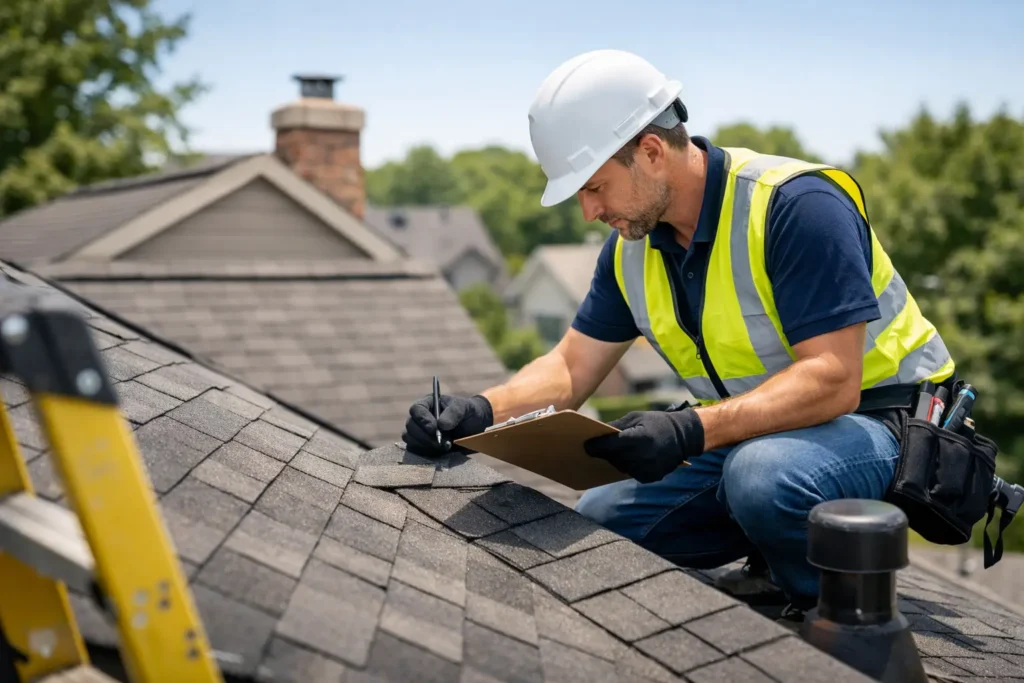
A roof problem usually starts small. One lifted shingle after a windstorm, a bit of flashing pulling away near the chimney, a dark spot in the attic that was not there last season. By the time water shows up on a ceiling, the repair is often bigger and more expensive than it needed to be. That is why this guide to residential roof inspections focuses on what homeowners actually need to know – when to schedule an inspection, what gets checked, and how to catch trouble before it spreads.
In Central New York, roofs take a beating. Heavy snow, ice dams, wind-driven rain, freeze-thaw cycles, and summer storms can all shorten a roof’s lifespan. Even a well-built roof needs regular attention if you want to avoid emergency repairs and protect the value of your home.
What a residential roof inspection is meant to do
A roof inspection is not just a quick look from the ground. A proper inspection is meant to evaluate the condition of the roofing system as a whole. That includes shingles or other roof coverings, flashing, ventilation, underlayment performance, roof penetrations, gutters, and the areas where water is most likely to get in.
For most homeowners, the goal is simple. You want to know whether your roof is in good shape, whether there is storm damage or wear that needs attention, and whether a repair will solve the problem or a replacement is getting close. A good inspection should give you clear answers, not vague language or pressure.
When to schedule a roof inspection
There is no single schedule that fits every home, but there are a few times when an inspection makes the most sense. If your roof is more than 10 years old, annual inspections are a smart move. If it is newer, you may not need one every year unless you have had a major storm or you are seeing warning signs.
Storms are one of the biggest triggers for inspections. High winds can loosen shingles without tearing them off completely. Hail can bruise roofing materials in ways that are easy to miss from the yard. Snow and ice can create hidden moisture issues that do not show up until temperatures rise.
Homeowners should also consider a roof inspection before buying or selling a home, after a leak, or if the roof has gone a long time without professional review. Waiting until damage is obvious is where costs tend to climb.
Common warning signs you should not ignore
Some roofing issues announce themselves clearly. Others stay quiet until the decking, insulation, or interior finishes are already affected. If you notice shingles that are cracked, curling, missing, or losing granules, that is worth attention. The same goes for sagging sections, damaged flashing, clogged or detached gutters, or moss and algae growth that seems to be spreading.
Inside the home, water stains on ceilings or walls are an obvious red flag, but they are not the only one. A musty attic smell, damp insulation, peeling paint near the roofline, or sudden spikes in energy bills can all point to roofing or ventilation trouble.
It also depends on the age and material of the roof. Asphalt shingles may show wear differently than metal roofing, and older roofs often have more than one issue happening at once. That is one reason a hands-on inspection matters.
What gets checked during a guide to residential roof inspections
If you have never scheduled one before, it helps to know what a contractor should be looking for. A thorough inspection starts with the roof surface itself. The inspector checks for missing shingles, loose tabs, exposed nails, punctures, blistering, granule loss, and signs of impact damage.
Flashing is a major focus because leaks often begin where the roof meets a wall, chimney, skylight, vent, or valley. These transition points are more vulnerable than open roof fields. If flashing is rusted, bent, separated, or improperly sealed, water can work its way in even when the shingles still look decent.
Ventilation and attic conditions matter too. Poor ventilation can trap heat and moisture, which shortens shingle life and contributes to mold, rot, and ice dam problems. An inspector may look for signs of condensation, inadequate airflow, wet decking, or insulation issues that affect roof performance.
Gutters and drainage are part of the picture as well. If water is not moving off the roof correctly, it can back up under shingles or pool around the home. That does not always mean the roof itself is failing, but it can still lead to damage.
Should you inspect your own roof?
Homeowners can do a basic visual check from the ground, and that is often a good habit after severe weather. Walk around the house and look for obvious shingle damage, fallen debris, bent gutters, or pieces of roofing material in the yard. Inside, check the attic if you can do so safely and look for daylight coming through boards or signs of moisture.
What you should not do is climb onto the roof unless you have the right equipment and experience. Roof surfaces can be slick, steep, or weakened in spots that are not visible. DIY checks are useful for spotting concerns, but they are not a replacement for a professional inspection when damage is possible.
The difference between wear and storm damage
This is where many homeowners get mixed answers. Not every damaged roof has storm-related damage, and not every aging roof needs full replacement. Sometimes a roof has normal wear that can be repaired affordably. Other times, a recent storm has caused enough damage to justify an insurance claim or more extensive work.
A good inspection should separate those issues clearly. Wind damage may show up as creased or lifted shingles. Hail can leave impact marks that weaken shingles even if there is no visible hole. Ice dam damage may show up near eaves and along interior walls. General aging, on the other hand, often appears as widespread granule loss, brittle shingles, or repeated repair history over time.
That distinction matters because it affects your next step. If the issue is isolated, a targeted repair may be the right call. If the roof is at the end of its service life, patching one area may only buy a little time.
What a roof inspection should cost
Some contractors offer free inspections, especially when there is concern about storm damage, active leaks, or visible wear. Others charge for more formal assessments, especially if documentation is needed for a home sale or insurance matter. The right option depends on why you need the inspection and how detailed the report must be.
What matters more than the price alone is whether the inspection is honest and useful. You should expect a clear explanation of what was found, photo documentation when possible, and straightforward recommendations. If every inspection somehow ends with an urgent replacement pitch, that is a sign to be cautious.
Choosing the right roofing contractor
A roof inspection is only as good as the person performing it. Look for a contractor who is insured, experienced with local weather conditions, and willing to explain findings in plain language. In an area like Syracuse, experience with snow load, ice dam prevention, flashing failures, and storm-related roof damage is especially important.
You also want a contractor who can tell you when a repair is enough. Homeowners do not need scare tactics. They need a reliable opinion, realistic pricing, and a plan that fits the condition of the roof.
Alpha Omega Roofing LLC works with homeowners who want that kind of straightforward guidance – especially when weather has raised questions about damage or urgency. The best inspections are not about selling fear. They are about giving you a clear path forward.
How to prepare for a roof inspection
There is not much you need to do, but a little preparation helps. Make note of any leaks, stains, drafts, or recent storm events. If you know the age of the roof or have records from previous repairs, keep those handy. Access to the attic can also help if the contractor needs to check ventilation or moisture signs.
If you have noticed a problem, be specific. Saying the leak happens only during wind-driven rain or only after heavy snow gives useful clues. Those details can help pinpoint where the roof system is failing.
Guide to residential roof inspections after severe weather
After a major storm, timing matters. It is smart to schedule an inspection as soon as conditions are safe, especially if shingles are missing, water is getting in, or debris hit the roof. Fast action can limit further damage and create a clearer record of what happened.
That said, not every storm calls for panic. If there are no visible signs and the roof is relatively new, you may simply want a precautionary check. If the roof is older or already had weak spots, a professional inspection becomes more important because storms tend to expose issues that were already developing.
A roof protects everything under it. When it is inspected on time, small problems stay small more often. If something about your roof has looked off lately, trust that instinct and have it checked before the next round of weather does it for you.