
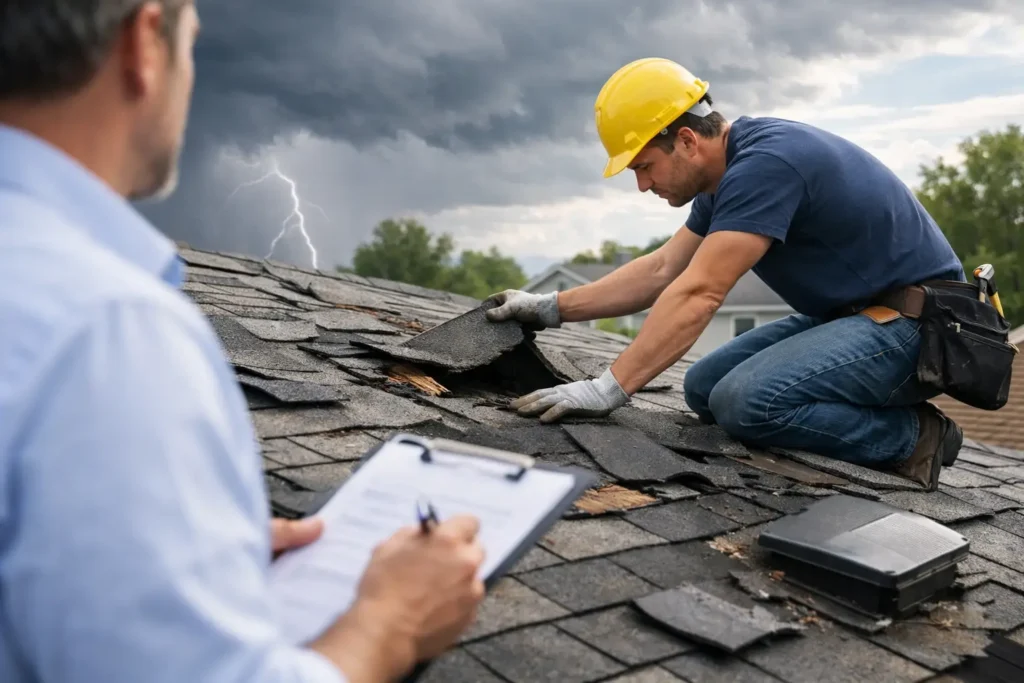
A storm rolls through at night, and the next morning you spot shingles in the yard, water stains on the ceiling, or pieces of flashing on the driveway. That is when roof insurance claim help matters most – not after the paperwork gets confusing, and not after a small leak turns into interior damage. If your home in Central New York has taken a hit from wind, hail, ice, or falling debris, the right next steps can protect both your roof and your claim.
Homeowners are often caught between two urgent problems. One is the damage itself. The other is figuring out what the insurance company needs, what is actually covered, and how to avoid delays. A good contractor can make that process more manageable by documenting damage clearly, explaining what they see in plain language, and helping you move quickly before the problem gets worse.
When roof insurance claim help makes a difference
Not every roof issue turns into an insurance claim. If your roof is simply old and wearing out over time, that is usually considered maintenance or age-related deterioration, not sudden storm damage. But if strong winds tear off shingles, hail bruises the roof surface, or a tree limb causes a puncture, you may have a valid claim depending on your policy.
This is where many homeowners lose time. They know something is wrong, but they are not sure whether the damage is claim-worthy or just a repair bill they will have to handle on their own. A professional roof inspection can help separate storm-related damage from normal wear. That distinction matters because insurers look closely at cause, timing, and condition.
In Central New York, weather can be rough on roofing systems. Ice dams, freeze-thaw cycles, heavy snow loads, and high winds all put stress on shingles, flashing, gutters, and roof decking. Sometimes the damage is obvious. Sometimes it is subtle enough that homeowners do not notice it until moisture starts getting inside.
What to do first after storm damage
The first priority is safety. If you suspect structural damage, active leaking near electrical fixtures, or a fallen tree limb on the roof, stay clear of the area and call for professional help right away. Emergency tarping or temporary protection may be needed to prevent more water from entering the home.
Once the property is safe, document what you can. Take clear photos of missing shingles, dented metal, fallen branches, ceiling stains, wet insulation, or any exterior debris tied to the storm. If your gutters, siding, or chimney flashing were also damaged, include that too. Storm losses often affect more than one part of the exterior, and that broader picture can matter during the claim review.
Then schedule a roof inspection as soon as possible. Waiting too long can create problems. Insurers may question when the damage happened, and additional deterioration can complicate the claim. Fast action also helps protect your home from secondary issues like mold, wood rot, or interior drywall damage.
Roof insurance claim help starts with good documentation
Insurance companies are not just paying for a damaged roof because a homeowner reports a problem. They are reviewing evidence. They want to know what happened, when it happened, and whether the damage aligns with the event being claimed.
That is why documentation is such a big part of roof insurance claim help. A qualified roofing contractor can inspect for lifted shingles, creased tabs, granule loss from impact, flashing separation, punctures, underlayment exposure, and other signs of storm-related failure. Just as important, they can identify conditions that may not be covered, such as long-term neglect or prior patchwork issues.
Clear inspection notes and photo evidence help create a more complete picture. They also give homeowners something more concrete than guesswork when speaking with their insurance carrier. If an adjuster visits the property, having a contractor who can point out specific damage often helps keep the conversation focused on facts.
What insurance adjusters usually look for
Adjusters are trained to evaluate loss, but they are not the ones who will perform the roof repair or replacement. Their role is to determine whether damage appears covered under the policy and estimate the scope of the claim. Sometimes their findings line up with what the contractor sees. Sometimes they do not.
That does not automatically mean anyone is acting in bad faith. It often comes down to visibility, timing, and interpretation. Wind damage can be straightforward if shingles are missing. Hail damage can be more disputed, especially when marks are subtle or the roof already has age-related wear. Ice-related damage can be another gray area if poor ventilation or long-term conditions contributed to the problem.
This is where local experience matters. A contractor who regularly works on homes in Syracuse and the surrounding area understands how regional weather patterns affect roofing systems. They also know what storm damage tends to look like on roofs that have been through multiple winters. That kind of practical knowledge can help homeowners ask better questions and avoid accepting an incomplete assessment too quickly.
Common mistakes homeowners make during a roof claim
One common mistake is waiting too long to call anyone. People hope the issue is minor, or they assume the insurer will tell them what to do first. By the time they act, the damage has spread or the evidence is less clear.
Another mistake is cleaning up too much before documenting the loss. Of course, you want your property safe and orderly, but throwing away damaged materials or skipping photos can make the claim harder to support. Temporary protection is smart. Erasing the trail before anyone sees it is not.
Homeowners also sometimes assume the insurance estimate is final. It is an important document, but it is not always the full story. If the estimate misses necessary components or undercounts damage, that can affect the quality of the repair. The goal is not to inflate a claim. It is to make sure the work needed to restore the roof is accurately recognized.
And then there is the contractor issue. After major storms, out-of-town crews often move through neighborhoods offering quick fixes and big promises. Some may pressure homeowners to sign paperwork before a full inspection or before the insurance process is clear. That is risky. You want a licensed, insured contractor with a real local presence, clear communication, and a track record of standing behind the work.
Choosing a contractor for roof insurance claim help
The best contractor for this situation is not just someone who can install shingles. You need a company that can inspect storm damage carefully, explain findings in plain English, and communicate professionally throughout the process.
Look for a contractor who offers detailed inspections, emergency response when needed, and transparent pricing. Ask whether they have experience with storm restoration and insurance-related roof work. A dependable local company should be able to explain what they found, what may be covered, what may not be covered, and what temporary steps are needed right now.
Homeowners in Central New York also benefit from working with a contractor who understands how harsh winters affect roof lifespan and repair priorities. A proper fix is not just about replacing visible shingles. It may involve flashing, ventilation, decking, underlayment, ice and water protection, or other components that keep the whole system performing the way it should.
At that point, roof insurance claim help becomes about more than paperwork. It becomes about protecting the home correctly so you are not dealing with the same leak, draft, or water stain again next season.
What a smoother claim process looks like
A smoother process usually starts with a prompt inspection, followed by clear documentation and a direct conversation about next steps. If emergency repairs are needed, those should be handled quickly to prevent further damage. Then the claim can move forward with better support.
If your insurer sends an adjuster, it helps to have your contractor available to discuss visible storm damage and scope. If the claim is approved, the next step is making sure the repair or replacement matches the actual needs of the roof. If the claim is partially approved or denied, you still need a clear plan. Sometimes that means reviewing the findings and deciding whether additional documentation is warranted. Other times it means moving ahead with a homeowner-paid repair because the issue is not covered.
What matters most is having straight answers. That is what homeowners are really looking for when a storm hits – someone who can assess the roof honestly, act quickly, and help them make a smart decision under pressure. Alpha Omega Roofing LLC does exactly that for homeowners across Central New York, with prompt inspections, dependable workmanship, and practical support when storm damage turns into an insurance issue.
If you think your roof may have been damaged, do not wait for the ceiling stain to spread or the next storm to test it again. A fast inspection today can save you time, money, and a lot of avoidable stress tomorrow.