A brown water spot on the ceiling after a Central New York thaw is not the time to guess what kind of roofing appointment you need. The difference between a roofing estimate versus inspection affects what a contractor looks for, what information you receive, and how confidently you can move forward with a repair, replacement, or insurance claim.
Both services can start with a visit to your home. Both may involve looking at shingles, flashing, vents, gutters, and the area around a leak. But they are not automatically the same service. Knowing the difference helps you ask for the right kind of help before a small problem becomes a bigger one.
What Is a Roofing Inspection?
A roof inspection is a condition assessment. Its purpose is to identify existing damage, developing issues, and areas that may need attention before they lead to leaks or structural damage.
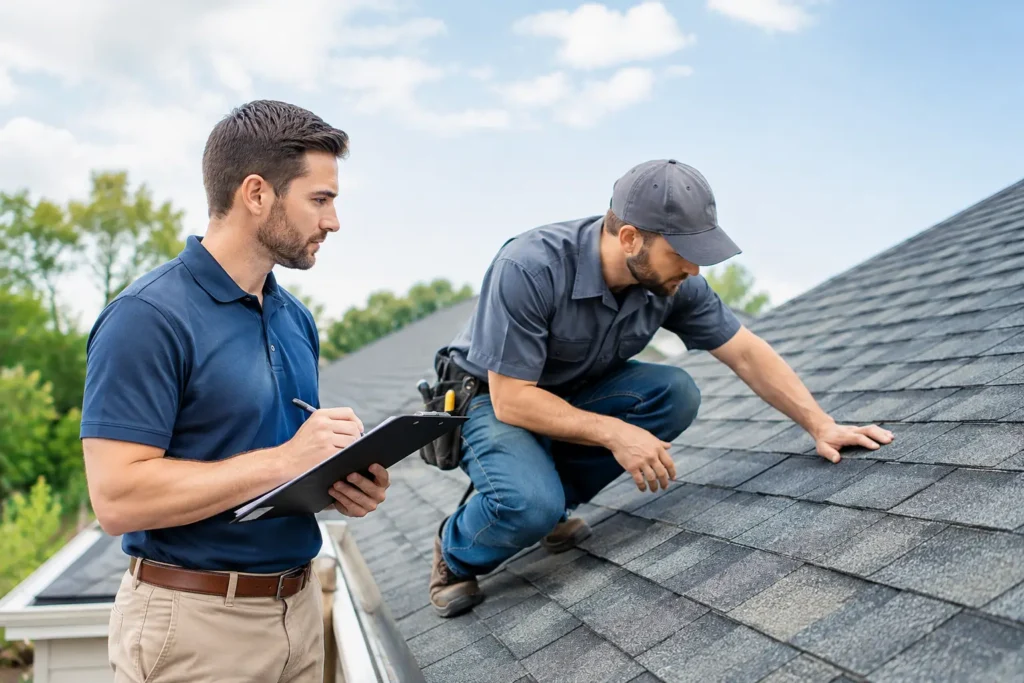
A thorough inspection looks beyond the obvious missing shingle. The roofer evaluates the roof covering, flashing around chimneys and walls, pipe boots, valleys, ridge caps, ventilation components, and drainage patterns. When appropriate, they may also inspect the attic for moisture, staining, poor ventilation, mold concerns, or daylight coming through the roof deck.
The result should be a clear picture of your roof’s condition. You may learn that a repair is needed now, that a roof is nearing the end of its expected service life, or that the roof is sound but needs routine maintenance. A good inspection does not treat every worn-looking roof as a replacement project.
Homeowners commonly schedule an inspection after a major windstorm, hail event, ice dam, suspected leak, or fallen branch. It is also a smart move before buying or selling a home, after a contractor notices exterior concerns, or when the roof is approaching the age when material wear becomes more likely.
An inspection is about finding the cause
A leak in a bedroom ceiling does not always mean the shingles directly above that room have failed. Water can travel along roof decking or framing before it becomes visible indoors. The source might be damaged flashing, a cracked vent boot, a chimney issue, backed-up ice, or a ventilation problem creating condensation.
That is why a careful inspection matters. It gives the contractor time to investigate the source rather than pricing a visible symptom and hoping it solves the problem.
What Is a Roofing Estimate?
A roofing estimate is a proposed scope of work and price. It tells you what the contractor recommends doing, what materials may be used, and what the anticipated cost will be.
For example, an estimate for a repair may include replacing missing shingles, resealing a flashing detail, replacing a damaged pipe boot, and addressing a small section of compromised decking if discovered during the work. An estimate for replacement may outline tear-off, underlayment, shingle type, ice-and-water protection, ventilation work, cleanup, and disposal.
A free estimate is especially useful when you already have a known issue. Perhaps a few shingles blew off during high winds, a roofer previously identified a failed flashing detail, or an aging roof clearly needs replacement. You need a practical recommendation and an honest price to make a decision.
The best estimates are specific enough to compare. They should explain the work proposed instead of relying on vague phrases such as “roof repair as needed.” If a price seems unusually low, check whether it leaves out necessary protection, material quality, cleanup, permit requirements, or work that another contractor included.
An estimate can include a visual assessment
Many reputable contractors inspect the affected area before providing a price. That is necessary to create a responsible estimate. Still, an estimate visit may be focused on pricing a particular repair or replacement, not documenting the condition of every roof component.
This is where homeowners can get confused. A contractor can inspect enough to quote a job without performing a full roof-condition inspection. Ask directly what the visit includes and whether the recommendation is based on a complete assessment or a limited evaluation of the reported issue.
Roofing Estimate Versus Inspection: The Main Difference
The simplest way to separate a roofing estimate versus inspection is this: an inspection answers, “What condition is my roof in?” An estimate answers, “What will it cost to fix or replace what needs attention?”
Often, the inspection comes first and the estimate follows. If the contractor finds storm damage, deteriorated flashing, or a roof nearing the end of its life, they can then prepare options based on the findings. In other cases, the problem is already clear enough that the visit naturally centers on creating an estimate.
Neither service is better in every situation. The right choice depends on how much you know about the problem and what you need from the appointment.
If you are seeing an active leak, missing shingles, loose flashing, or visible storm damage, request a prompt evaluation and estimate. Let the contractor know the issue is urgent so they can focus on stopping further water intrusion. Temporary protection may be necessary before permanent repairs can be scheduled.
If you are not sure why a problem is happening, have concerns after a storm, or want a professional assessment of an older roof, ask for an inspection. The added diagnostic focus can prevent you from spending money on the wrong repair.
When Storm Damage Is Involved
After a windstorm or hail event, speed matters, but so does documentation. Homeowners may see a few shingles in the yard and assume the damage is minor. Wind can also break seals, lift shingles without tearing them off, damage ridge caps, or expose vulnerable flashing. Hail impacts can be difficult to identify from the ground.
An inspection can document visible storm-related concerns and identify immediate needs, such as covering an opening or securing loose materials. A detailed estimate can then describe the repairs or replacement work required to restore the roof.
If you plan to contact your insurance company, avoid authorizing major work before you understand your policy requirements and claim process. Take photographs of visible damage from a safe location, save any fallen materials if practical, and keep records of emergency protection work. Your contractor can help explain the roofing findings, but your insurer determines coverage.
Do not climb onto a steep, wet, icy, or damaged roof to inspect it yourself. Central New York weather can make a routine check dangerous quickly. What looks like a loose shingle from a ladder may be a larger issue at a valley, chimney, or roof transition.
What to Ask Before You Schedule
A few clear questions can make the appointment more useful. Ask whether the contractor will inspect the attic if accessible, whether they will identify the likely source of a leak, and whether you will receive findings in writing. If you need pricing, ask for an itemized scope that explains materials, labor, removal, and any conditions that could change the final cost.
It is also reasonable to ask what happens if hidden damage is found once repairs begin. Roof decking problems, rot beneath flashing, and concealed water damage cannot always be confirmed until materials are removed. A trustworthy contractor will explain that possibility upfront rather than surprising you after work has started.
For a full roof replacement, compare more than the bottom-line number. Look at the proposed system: underlayment, leak protection at eaves and vulnerable areas, ventilation, flashing work, shingle quality, workmanship coverage, and cleanup. A lower price can be appealing, but a roof is only as reliable as the details underneath and around the shingles.
Choose the Visit That Gives You Clarity
If you know the work you need, a free estimate may be the direct next step. If you have questions about the condition of your roof, the source of a leak, or possible storm damage, start with an inspection and ask for an estimate based on the findings.
At Alpha Omega Roofing LLC, the goal is not to push a one-size-fits-all answer. It is to assess the problem honestly, explain the options in plain language, and help protect your home before the next hard rain, heavy snow, or freeze-thaw cycle tests your roof again.
When something does not look right, trust that instinct. Getting the right assessment early can mean the difference between a focused repair and a much larger water-damage project.