
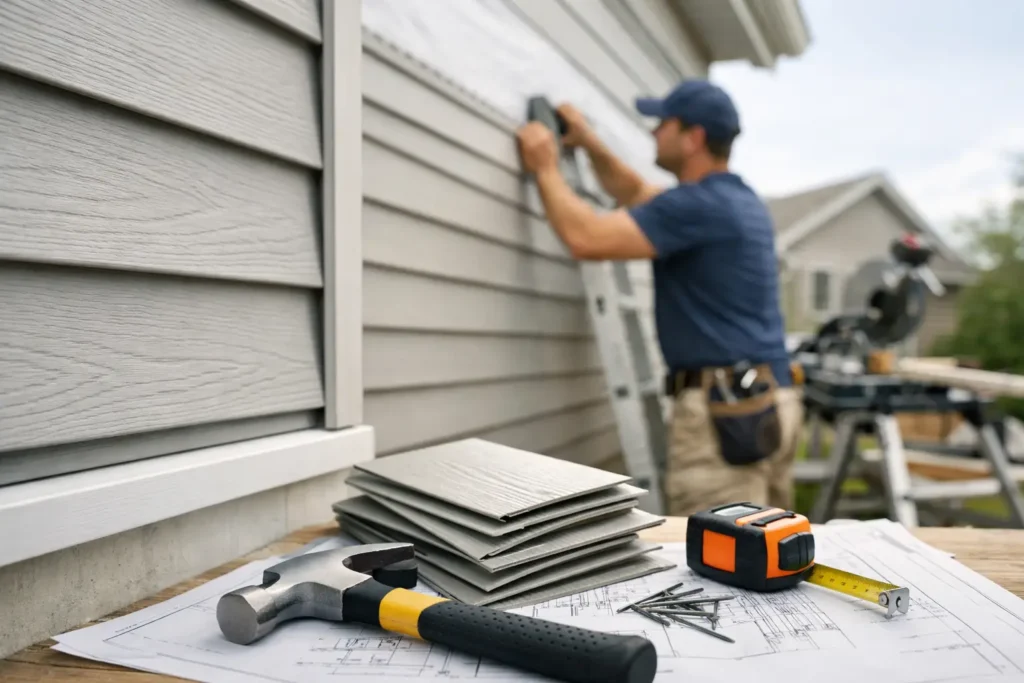
If your siding is faded, cracked, or taking on moisture after another hard Central New York season, the first question is usually the same: what is the vinyl siding installation cost going to be? The honest answer is that price can vary quite a bit from one home to another, but there are reliable ways to understand what drives the total and what a fair estimate should include.
For most homeowners, vinyl siding is attractive because it balances durability, appearance, and cost. It is usually more affordable than fiber cement or engineered wood, and it gives you a clean exterior update without signing up for the maintenance demands of painted wood. That said, the lowest quote is not always the best value, especially when weather exposure, wall condition, trim details, and insulation all affect how well the siding performs over time.
What the vinyl siding installation cost usually includes
A siding quote should cover more than just the panels themselves. In most cases, your price includes tear-off of old siding if needed, disposal, house wrap or weather barrier, starter strips, corners, J-channel, trim pieces, labor, and cleanup. On some homes, it may also include replacing damaged sheathing or adding insulation board beneath the siding.
This is where estimates can look similar at first glance but be very different in practice. One contractor may price a basic install over existing surfaces, while another may include removal, repairs, upgraded trim, and a more complete moisture barrier. If you are comparing numbers, make sure you are comparing the same scope of work.
Average price range for vinyl siding installation cost
National averages are a helpful starting point, but they do not tell the whole story for homes in areas with older housing stock, seasonal weather swings, and more detailed exterior layouts. In general, homeowners often see vinyl siding installation cost fall somewhere between $7,000 and $20,000 or more for a full-house project, depending on size and complexity.
On a square foot basis, installed vinyl siding commonly runs around $5 to $12 per square foot. A simple ranch with straightforward walls, minimal trim work, and easy access will usually land closer to the lower end. A larger two-story home with multiple gables, dormers, custom trim, and repair needs can move well above that.
If your home has existing wood siding that has been holding moisture, damaged trim around windows, or insulation issues behind the walls, your final cost may rise because the project becomes part siding replacement and part exterior repair. That is not necessarily bad news. Catching those issues during siding work can prevent far more expensive water damage later.
What affects siding price the most
The biggest factor is the size of the home, but it is far from the only one. Labor, material grade, and site conditions can change the total quickly.
Home size and wall complexity
A larger home needs more material and more labor. That part is simple. What adds cost is complexity. Gables, peaks, bump-outs, bay windows, porches, and multiple stories all slow down installation and increase trim work.
A square, single-story home is usually more efficient to side than a two-story house with several rooflines and tight access points. More detail means more cutting, more finishing, and more labor time.
Type and quality of vinyl siding
Not all vinyl siding is the same. Thicker panels generally cost more, but they tend to resist impact and waviness better. Premium options may also include better color retention, stronger wind resistance, and upgraded warranties.
If you are planning to stay in your home long term, it often makes sense to look beyond the cheapest panel. In a climate where wind, snow, and freeze-thaw cycles are part of the equation, better material can pay off in appearance and performance.
Removal of old siding
Installing over existing siding may sound like a money-saver, but it depends on what is already there and what condition it is in. If the old material is uneven, damaged, or trapping moisture, covering it can create problems instead of solving them.
Full removal adds labor and disposal cost, but it also gives the installer a chance to inspect the wall sheathing and address hidden damage. That is often the smarter move when the goal is a durable exterior, not just a quick cosmetic upgrade.
Repairs underneath the siding
This is one of the biggest variables in any estimate. Once old siding comes off, contractors may find rotted wood, water staining, insect damage, or areas where the wall surface is no longer sound.
Some homes need only minor spot repairs. Others need new sheathing in several sections. A contractor giving you a responsible estimate should explain what is included up front and how hidden damage would be handled if it is discovered during the project.
Trim, soffit, and fascia work
Many siding jobs also involve exterior trim updates. If your soffit, fascia, window trim, or door surrounds are deteriorated, replacing or wrapping those areas can improve both appearance and weather protection.
This adds cost, but it also finishes the project correctly. New siding next to failing trim rarely stays looking good for long.
Insulation and moisture protection
Some homeowners choose to add insulated backing or rigid foam board under vinyl siding. This can improve energy performance and help create a flatter finished look. House wrap and flashing details also matter, especially around windows, doors, and roof intersections.
These components are not always the most visible part of the quote, but they matter a great deal. In regions like Syracuse, where homes take a beating from wind, snow, and moisture, proper weather protection is worth paying attention to.
Why local conditions can change the price
Homes in Central New York often come with a few realities that affect siding budgets. Older construction can mean uneven walls or hidden wood rot. Weather exposure can create more repair work around lower walls, corners, and trim. Seasonal scheduling can also affect labor availability.
That does not mean every project becomes expensive. It means local experience matters. A contractor who understands how siding performs in harsh weather is more likely to build the job correctly the first time, rather than pricing it low and cutting corners where homeowners cannot see.
How to compare siding estimates without guessing
A good estimate should be clear, specific, and easy to walk through. If a quote is just a single number with no breakdown, you are missing important information.
Ask what brand and grade of siding is being used, whether old siding removal is included, what underlayment or weather barrier is part of the job, and how damaged sheathing would be handled if found. Also ask about trim, cleanup, and warranty coverage. These details tell you much more than the bottom-line number alone.
It also helps to ask how the crew will protect landscaping, manage debris, and finish around windows, doors, and rooflines. A professional siding job should look clean up close, not just from the street.
When the lowest price is not the best deal
Most homeowners want to stay on budget, and that makes sense. But an unusually low quote often means something has been left out. It might be disposal. It might be trim. It might be weather barrier upgrades or proper flashing. In worse cases, it can mean rushed labor and weak installation practices.
Vinyl siding only performs as well as the install behind it. Panels need room to expand and contract. Moisture management has to be done correctly. Openings and transitions need proper detailing. Saving a little upfront is not worth much if the siding warps, rattles, or allows water behind the walls.
Is vinyl siding worth the cost?
For many homeowners, yes. Vinyl siding is one of the more cost-effective ways to improve curb appeal, reduce exterior maintenance, and protect the home from ongoing exposure. It is not the right choice for every style of home or every budget level, but it remains a practical option for a reason.
The key is to think in terms of total value, not just sticker price. A properly installed vinyl siding system can refresh the appearance of the house, limit maintenance headaches, and help prevent moisture-related problems that cost far more than the siding project itself.
If you are gathering estimates, focus on clarity, workmanship, and what the project is meant to solve. A straightforward contractor should be able to explain your options, show you where costs come from, and give you a realistic plan for protecting your home. If you need that kind of guidance, Alpha Omega Roofing LLC offers free estimates at https://www.alphaomegaroofingllc.com. The right siding job should leave you with more than a better-looking house. It should leave you with confidence the exterior is ready for the seasons ahead.