
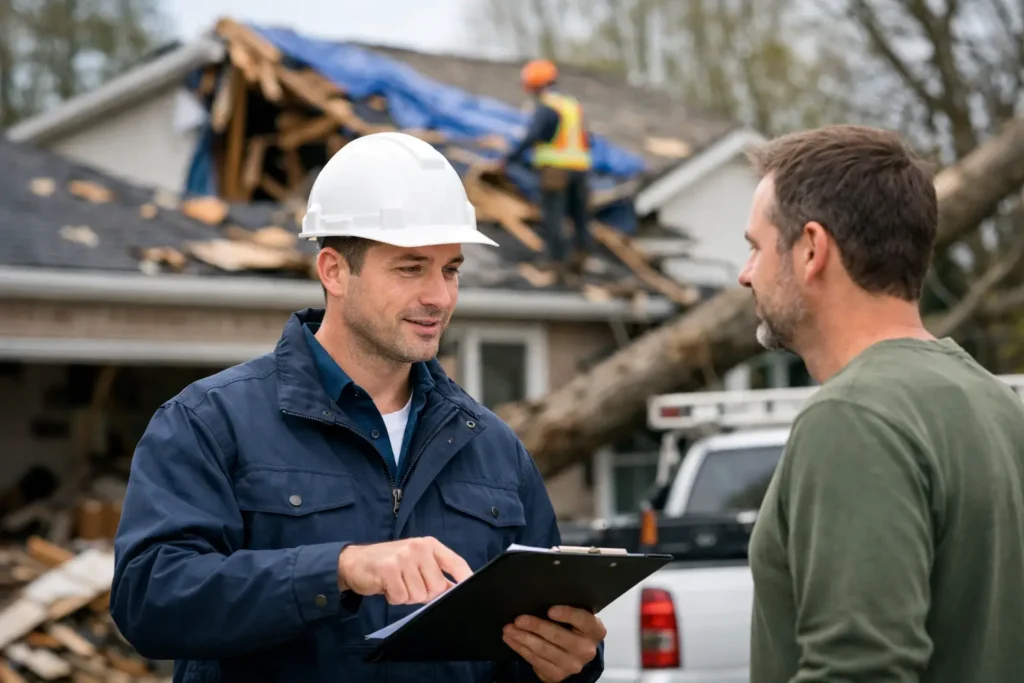
A storm rarely gives you time to think. One night of high wind, heavy rain, or hail can leave you with missing shingles, water stains on the ceiling, damaged siding, or a chimney that suddenly looks questionable. When that happens, finding the right contractor for storm damage restoration matters more than finding the first company that answers the phone.
The right contractor helps you move fast without making rushed decisions. They know how to spot hidden damage, protect the home from further water intrusion, explain what actually needs repair, and document the problem clearly if insurance is involved. Just as important, they give you straightforward answers when you are already dealing with enough stress.
What a contractor for storm damage restoration should actually do
Storm damage restoration is not just patching what looks broken from the ground. A qualified contractor should start with a thorough inspection of the roof and exterior, then look for the issues that tend to spread if they are missed. That can include lifted shingles, exposed nail lines, compromised flashing, soft decking, siding damage, gutter problems, masonry concerns, and signs of moisture getting inside the attic or walls.
A good contractor should also know the difference between damage that needs immediate stabilization and damage that can wait for a planned repair. If a section of roof is open to the weather, temporary protection may be the first priority. If the damage is more limited, the next step may be documenting everything and building a clear repair scope before any major work begins.
That balance matters. Homeowners need urgency, but they also need judgment.
Why local experience matters after severe weather
After a major storm, out-of-town crews often move into affected areas quickly. Some are legitimate. Some are not. The problem is that homeowners usually do not know which is which until there is a warranty issue, a billing dispute, or unfinished work.
A local contractor for storm damage restoration has more at stake. They work in the same communities year-round, understand how Central New York weather affects roofing systems, and know that wind, ice, snow load, and freeze-thaw cycles can make storm repairs more complicated than they first appear. Damage is not always isolated to one event. A storm can expose weaknesses that were already developing because of age, ventilation problems, or previous poor workmanship.
That does not mean every local contractor is automatically the right fit. It does mean accountability is easier to verify when the company has an established presence, insured service, and a track record with homeowners in the area.
What to look for before you sign anything
The most reliable contractors tend to be clear, not flashy. They inspect first, explain second, and pressure last. If a company promises a full replacement before a proper inspection, that is a red flag. If they cannot explain why a repair is enough or why a replacement is necessary, that is another one.
Look for a contractor who is licensed where required, fully insured, and willing to provide a written estimate with a defined scope of work. That estimate should not feel vague. You should be able to understand what materials are being used, what areas are being repaired, whether temporary protection is included, and what the timeline looks like.
Communication also tells you a lot. Homeowners dealing with storm damage do not want to chase updates for days. A dependable contractor responds promptly, shows up when scheduled, and explains options in plain language. That is especially important if the project involves both visible damage and possible hidden issues.
Insurance help is useful, but it should not feel pushy
Many homeowners are not sure what insurance covers after a storm. That uncertainty makes them vulnerable to bad advice. A trustworthy contractor can help document damage, provide photos, prepare repair details, and meet with an adjuster when appropriate. That support can be extremely helpful.
But there is a line between helping and controlling the process. You want a contractor who understands insurance-related storm damage situations without acting like they are the insurance company, the adjuster, and the decision-maker all at once. The best contractors stay in their lane. They focus on accurate documentation, honest assessments, and quality restoration work.
If someone guarantees claim approval or tells you not to worry about paperwork because they will handle everything behind the scenes, slow down. Storm restoration should be transparent from the first inspection to the final invoice.
Signs the damage may be worse than it looks
Some storm damage is obvious. A tree branch through the roof gets everyone’s attention. Other damage is easier to overlook, and that is where experienced inspection matters.
You may see a few shingles in the yard and assume the issue is minor, but wind can break the seal on surrounding shingles that still appear attached. Hail can shorten roof life without leaving dramatic dents visible from the driveway. Water intrusion can travel before it shows up inside, which means the stain on your ceiling may not be directly under the actual entry point.
Siding, soffits, gutters, flashing, and chimneys can all be part of the problem. In some cases, storm damage restoration is not one repair but a coordinated exterior fix that protects the whole home envelope. That is why it helps to work with a contractor who can look at the big picture rather than only one trade in isolation.
Repair or replacement? It depends on the condition of the home
Homeowners usually want a simple answer, but storm restoration is not always that simple. Sometimes a targeted repair is the right move. If the roof is otherwise in solid condition and the storm damage is limited, repairing the affected area may restore performance without putting you through a larger project than necessary.
Other times, replacement makes more sense. If the roof is already aging, if the damage is widespread, or if matching materials will be difficult, a repair may turn into a short-term fix with recurring problems. The honest answer is that it depends on the age of the system, the extent of the damage, the condition of the decking and flashing, and the cost difference between repair and replacement.
A good contractor will walk you through those trade-offs instead of steering every situation toward the biggest job.
How storm restoration should feel from the homeowner side
You should not feel confused about what is happening on your own property. The process should be structured and calm, even when the situation is urgent.
That usually starts with a prompt inspection and a clear explanation of what was found. From there, you should know whether emergency measures are needed, what permanent repairs are recommended, what materials are being used, and what the next step is if insurance is part of the picture. You should also know who to call with questions.
The companies homeowners trust most are often the ones that keep things simple. They do quality work, show their findings, explain your options, and treat your home like it matters. For families in Syracuse and across Central New York, that kind of straightforward service is worth a lot after a storm.
Red flags that deserve a hard no
Storm-chasing sales tactics are still common, especially after widespread weather events. Be cautious if a contractor shows up uninvited and says they were “just in the neighborhood” and noticed major damage. Be equally cautious if they push for a signature on the spot, ask for large payment upfront, or avoid giving a written scope.
Another warning sign is vague language around materials, timelines, or insurance. If you cannot get direct answers before the project starts, you are unlikely to get better answers once the work is underway.
Trust your read on the interaction. If the conversation feels rushed, evasive, or overly aggressive, keep looking.
Choosing a contractor for storm damage restoration with confidence
When your roof or exterior takes a hit, speed matters. So does choosing carefully. The right contractor for storm damage restoration will inspect thoroughly, respond quickly, communicate clearly, and stand behind the work long after the storm passes.
That is the standard homeowners should expect. Not a sales pitch. Not a guessing game. Just honest guidance, durable workmanship, and a clear path to getting your home protected again. If a contractor can offer that, you are not just fixing storm damage. You are making sure the next round of bad weather has less of a chance to do it again.