
A roof can look fine after a snowfall and still be setting up a costly leak. That is usually how ice dam problems start. If you are wondering how to prevent ice dams, the answer is not just removing snow from the roof after the fact. In most homes, the real fix starts with heat loss, ventilation, insulation, and a roof system that can handle Central New York winters.
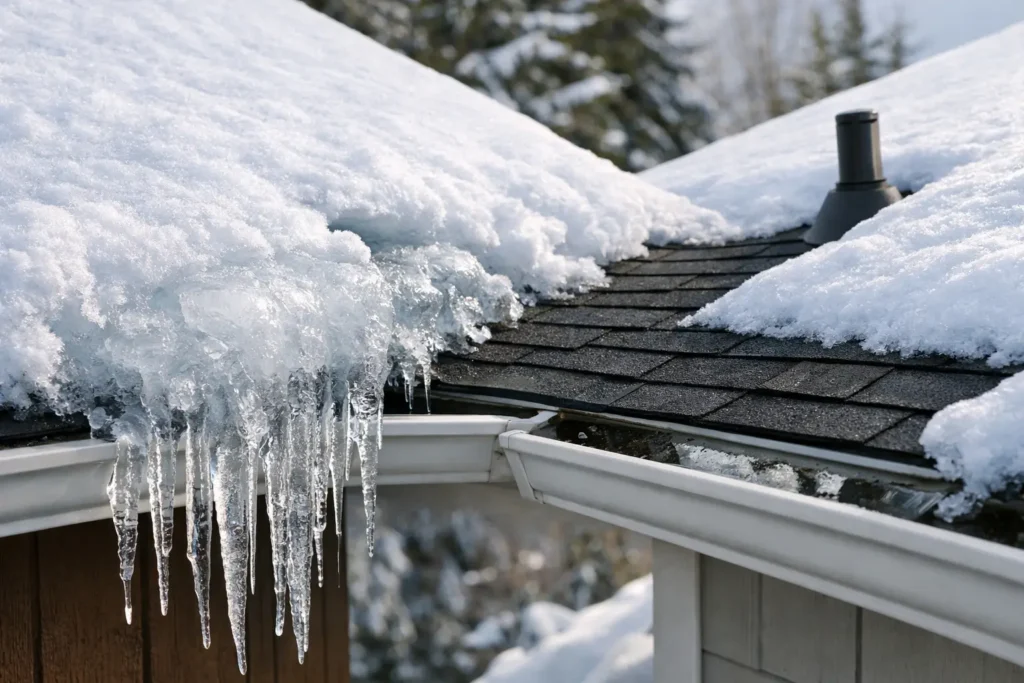
Ice dams happen when heat from inside the house warms the roof deck enough to melt snow. That water runs down to the colder eaves, where it refreezes and builds a ridge of ice. Once that ridge forms, more melting snow gets trapped behind it and can work its way under shingles. The result can be stained ceilings, damaged insulation, rotted decking, gutter issues, and interior water damage that spreads fast.
How to Prevent Ice Dams at the Source
The most effective way to prevent ice dams is to keep the roof surface cold and consistent from top to bottom. That sounds backward to some homeowners, but a winter roof should not be heated unevenly from the living space below. If one section is warm and another is freezing, snow melts in the wrong places and refreezes at the edge.
In practical terms, that means focusing on attic insulation, attic ventilation, and air sealing. If warm air from the home is leaking into the attic through recessed lights, attic hatches, plumbing penetrations, or poorly sealed top plates, it raises the temperature of the roof deck. Even a newer roof can develop ice dams if the attic system underneath it is not performing the way it should.
Good insulation slows heat transfer. Good ventilation helps move out excess warmth and moisture. Air sealing keeps heated indoor air from escaping where it should not. If one of those three is weak, the whole system can struggle.
Start With the Attic, Not the Snow
Many homeowners first notice the problem outside, but the cause is usually inside. A cold-weather roof inspection should include a look at the attic floor, insulation levels, airflow paths, and signs of moisture. Frost on nails, damp insulation, musty odors, or uneven temperatures are all signs something is off.
This is also where trade-offs matter. Adding more insulation can help, but insulation alone does not fix air leaks. On the other hand, improving ventilation without enough insulation may still leave warm roof areas that create melt patterns. The right solution depends on the age of the home, the roof design, and where heat is escaping.
Insulation and Ventilation: The Two Big Factors
If you want to know how to prevent ice dams long term, this is the section that matters most. A properly insulated attic helps keep heat where it belongs – inside the living space. A properly ventilated attic helps maintain a colder roof deck and reduces moisture buildup.
In many older homes around Syracuse and the surrounding area, insulation is uneven, compressed, or simply below current recommendations. Some attics have been partially finished, patched over time, or disturbed during electrical and mechanical work. That creates weak spots where heat rises directly into the roof structure.
Ventilation problems are just as common. Soffit vents may be blocked by insulation. Ridge vents may be missing or undersized. In some cases, homeowners add powered attic fans thinking more airflow will solve the issue, but that can create imbalances if the intake and exhaust system is not designed properly. Ice dam prevention is not about one product. It is about how the whole roof and attic system works together.
Air Sealing Makes a Bigger Difference Than Most Homeowners Expect
Warm air leakage is a major driver of ice dam formation. Small openings around bath fans, wiring penetrations, light fixtures, and attic access points can let a surprising amount of heat escape. Sealing those gaps often improves performance more than homeowners expect, especially when paired with insulation upgrades.
This is one reason quick surface fixes can be frustrating. If snow keeps melting because attic heat is reaching the roof, the same problem will repeat after every storm and freeze-thaw cycle.
Roof Design and Roof Condition Also Matter
Some roofs are simply more vulnerable to ice dams than others. Low-slope sections, complex valleys, dormers, and long eave overhangs can all increase risk. Areas where rooflines meet or where snow tends to drift may hold more moisture and refreeze faster.
Roof condition matters too. Damaged shingles, worn flashing, soft decking, or underlayment issues can make a bad situation worse. Ice dams do not always create damage by themselves. Often, they expose weaknesses that were already there. A roof that is aging or has storm wear may be more likely to leak once backed-up water gets involved.
That is why winter roof problems should not be treated as a nuisance only. If a home has recurring ice dams, it is worth having the roof inspected for both surface damage and underlying ventilation or moisture issues. In some cases, targeted repairs are enough. In others, larger corrections may make more financial sense than repeated emergency fixes.
Snow Removal Helps, But It Is Not the Whole Answer
Roof raking can reduce the snow load near the eaves and lower the chance of ice buildup. It can be a useful short-term step, especially after heavy snow. But it works best as a support measure, not as the main plan.
Done incorrectly, snow removal can damage shingles, loosen granules, bend gutters, or create safety hazards. Climbing onto a snowy roof is not worth the risk for most homeowners. Ground-based roof rakes are safer, but even then, the goal should be to remove loose snow carefully without scraping the roofing materials.
If your home develops thick ice despite regular snow removal, that is a sign the underlying cause still needs attention.
What About Heat Cables?
Heat cables can help in specific trouble spots, but they are not a cure-all. When installed correctly, they may reduce ice formation along edges, in valleys, or near gutters. They can be useful on roofs with difficult geometry where perfect ventilation and insulation improvements are harder to achieve.
The downside is that heat cables treat the symptom, not the root cause. They also require proper design and installation to avoid creating channels that move water unpredictably. In some cases, they are part of a practical winter protection plan. In others, they become an ongoing workaround for a bigger attic or roof problem.
Warning Signs You Should Not Ignore
You do not have to wait for a ceiling stain to know there is trouble. Large icicles along the eaves, uneven snow melt patterns, ice ridges at the roof edge, or water dripping behind gutters are all warning signs. So is frost buildup in the attic.
Icicles alone do not always mean an ice dam is forming, but large recurring icicles often point to heat loss and drainage issues. If they appear in the same areas year after year, that pattern is worth investigating.
For homeowners in Central New York, recurring winter roof issues should be taken seriously. Freeze-thaw cycles are hard on roofing systems, and small weaknesses can turn into expensive repairs fast once water gets inside.
When to Call a Roofing Professional
If you have active leaking, heavy ice buildup, or signs of water intrusion, it is time to have the roof inspected. A professional can identify whether the issue is primarily attic-related, roofing-related, or both. That matters because a leak caused by ice backup may still involve damaged flashing, underlayment, or shingles that need repair.
A good inspection should look beyond the obvious ice line. It should evaluate ventilation pathways, insulation performance, roof penetrations, flashing details, gutter conditions, and any areas where water may already be entering. If the roof has storm damage or age-related wear, those factors can compound winter problems.
For some homes, the right next step is a focused repair. For others, it may be improving attic performance before the next snow season. And for roofs near the end of their service life, replacement with proper weather protection details can make a major difference in long-term performance.
At Alpha Omega Roofing LLC, we see this issue often because our winters are hard on homes. The best outcomes usually come from catching the problem early, addressing the cause instead of just the ice, and making sure the roof system is ready for the next cold stretch.
If your roof keeps forming heavy ice, do not assume it is just part of winter. A roof should protect your home through snow, thaw, and refreeze without letting water find a way in. The sooner you address what is causing the melt pattern, the better your chances of avoiding damage when the next storm hits.