
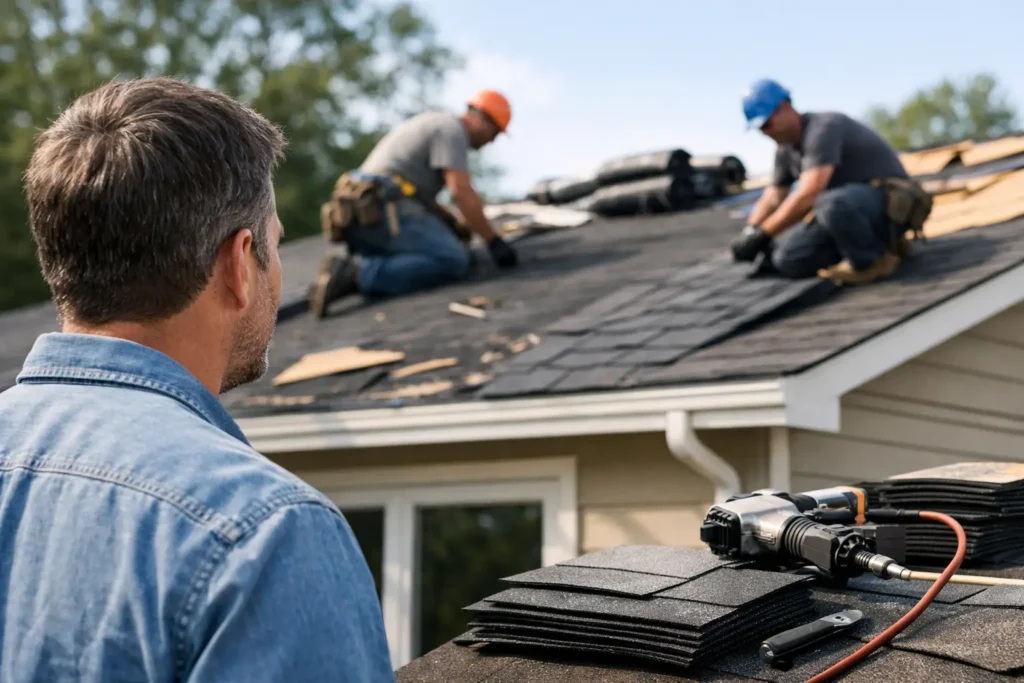
That small ceiling stain in the hallway rarely stays small for long. In Central New York, one hard winter, one windstorm, or one stretch of ice backup can turn an aging roof into a much bigger and more expensive problem. This homeowner guide to roof replacement is built to help you make a smart decision before minor damage turns into interior repairs, mold, or emergency tarping.
Replacing a roof is a major home project, but it should not feel like a guessing game. Homeowners usually want the same things: a clear explanation of what is wrong, honest pricing, durable materials, and a crew that shows up and gets the job done right. That is exactly how you should approach the process.
When a roof replacement makes more sense than another repair
Not every roofing problem means you need a full replacement. A few missing shingles after a storm, a small flashing issue around a chimney, or a localized leak can often be repaired if the rest of the roof is still in solid shape. The key question is whether the problem is isolated or part of a bigger pattern.
If your roof is nearing the end of its expected lifespan, repeated repairs can start to add up fast. Asphalt shingle roofs often last around 20 to 30 years, but local weather matters. Snow load, ice dams, wind exposure, and freeze-thaw cycles can shorten that timeline. If shingles are curling, granules are collecting in the gutters, leaks keep returning, or large sections look worn and uneven, replacement is often the better long-term investment.
Storm damage changes the equation too. Hail, high winds, and falling branches can compromise more than what is visible from the ground. A roof can look mostly intact while still having lifted shingles, damaged underlayment, or weakened flashing. In those cases, a professional inspection matters more than a quick visual check.
A homeowner guide to roof replacement starts with the right inspection
The first step is not picking a shingle color. It is getting a thorough roof inspection from a contractor who will explain what they found in plain language. A good inspection should look at the shingles, decking condition, flashing, ventilation, pipe boots, valleys, gutters, and problem areas like chimneys and roof penetrations.
This is also where honest contractors stand apart from high-pressure sales tactics. You should expect photos, specific findings, and a direct explanation of whether the roof can be repaired or should be replaced. If someone jumps straight to a full replacement without showing you why, that is a reason to slow down and ask more questions.
For homeowners dealing with storm damage, documentation matters. Photos, notes about the condition of the roof, and clear scope details can help if you need to file or support an insurance claim. If there is active leaking, fast response is just as important as paperwork. Temporary protection can prevent additional water damage while you sort out next steps.
What affects the cost of roof replacement
Most homeowners want a number first, which is understandable. Still, roof replacement pricing depends on more than square footage. The size and pitch of the roof matter, but so do the number of layers being removed, the complexity of the layout, ventilation updates, flashing work, chimney areas, and whether the wood decking underneath needs replacement.
Material choice also affects cost. Architectural asphalt shingles are a common fit for many homes because they balance durability, appearance, and value. Premium systems cost more upfront, but they may offer better wind resistance, longer manufacturer warranties, or a stronger look for higher-end homes. The right option depends on your budget, how long you plan to stay in the home, and how much weather exposure your roof gets.
The cheapest estimate is not always the least expensive choice over time. If a low bid leaves out ventilation improvements, drip edge, flashing replacement, or proper cleanup, you may pay more later in repairs. A detailed estimate should tell you exactly what is included so you can compare apples to apples.
Choosing materials for Central New York conditions
Roofing materials should match the climate, not just the look of the house. In this region, roofs deal with snow, ice, wind-driven rain, and sharp temperature swings. That means durability is not a luxury. It is the baseline.
Architectural shingles are often a strong choice because they hold up better than basic 3-tab shingles and usually provide a better appearance and longer service life. Underlayment, ice and water shield, and attic ventilation are just as important as the shingles themselves. A roof system works as a whole. Even premium shingles can underperform if the installation or supporting components are weak.
Ventilation is one area homeowners often overlook. Poor attic ventilation can trap heat and moisture, shorten shingle life, and contribute to ice dam formation in winter. If your contractor recommends ventilation improvements during a replacement, that is not necessarily an upsell. In many homes, it is part of doing the job correctly.
How to compare roofing contractors without getting burned
Roof replacement is not just about materials. Installation quality makes a major difference in how the roof performs five, ten, and fifteen years from now. A dependable contractor should be licensed where required, fully insured, experienced with local weather demands, and willing to answer questions directly.
Look for detailed estimates, realistic scheduling, and clear communication about cleanup, property protection, and what happens if damaged decking is found once the old roof is removed. You should also ask who will actually be on the job site and whether the work is being managed closely from start to finish.
Trust your read on the company. If communication is slow before the project starts, it usually does not improve once the contract is signed. Homeowners in Syracuse and surrounding areas often need fast action because weather windows can be tight. That makes responsiveness and organization especially important.
A strong contractor will not promise that every project is simple. They will explain the variables, set expectations clearly, and stand behind the workmanship. That straightforward approach tends to save homeowners the most stress.
What to expect during the roof replacement process
Once your project is scheduled, the contractor should walk you through timing, material delivery, site preparation, and cleanup expectations. On replacement day, crews typically remove the old roofing materials, inspect the decking, make any needed repairs, install underlayment and protective barriers, then install the new roofing system.
Most residential roof replacements move quickly, but weather, roof complexity, and hidden damage can affect the timeline. A one-day project is possible on some homes, but not every roof should be rushed to fit that promise. Quality matters more than speed alone.
You should also expect noise, debris control measures, and temporary access limitations around the home. Good crews protect landscaping, keep the site organized, and perform a thorough magnetic cleanup for nails. When the work is complete, the contractor should review the finished roof with you and explain the warranty coverage.
Insurance claims and storm damage questions
If your roof replacement follows storm damage, the process can feel more complicated. Insurance may cover all or part of the replacement depending on the cause of damage, the age of the roof, your policy terms, and the adjuster’s findings. This is one area where documentation and contractor experience really help.
A contractor can identify storm-related damage, provide a clear scope of work, and help you understand what is being discussed during the claim process. What they should not do is make unrealistic promises about coverage before the facts are reviewed. Honest guidance matters here.
If your roof has sudden damage from wind or impact, act quickly. Waiting can lead to additional water intrusion, and that can complicate both repairs and claims. Fast inspection and temporary protection are often the best first moves.
Questions homeowners should ask before signing
Before you move forward, make sure you understand the material being installed, what components are included, how change orders are handled, what the workmanship warranty covers, and how cleanup will be managed. You should also know who to contact if a concern comes up during or after the project.
There is value in asking what the contractor would recommend if this were their own home. That question often cuts through the sales pitch and gets you to a more practical answer.
For many homeowners, roof replacement becomes easier once the unknowns are removed. A clear inspection, a detailed estimate, and a contractor who treats your home like it matters can turn a stressful project into a straightforward one. If your roof has been showing its age or storm damage has put you on the clock, getting answers now is usually the smartest way to protect the house and avoid bigger problems later.