
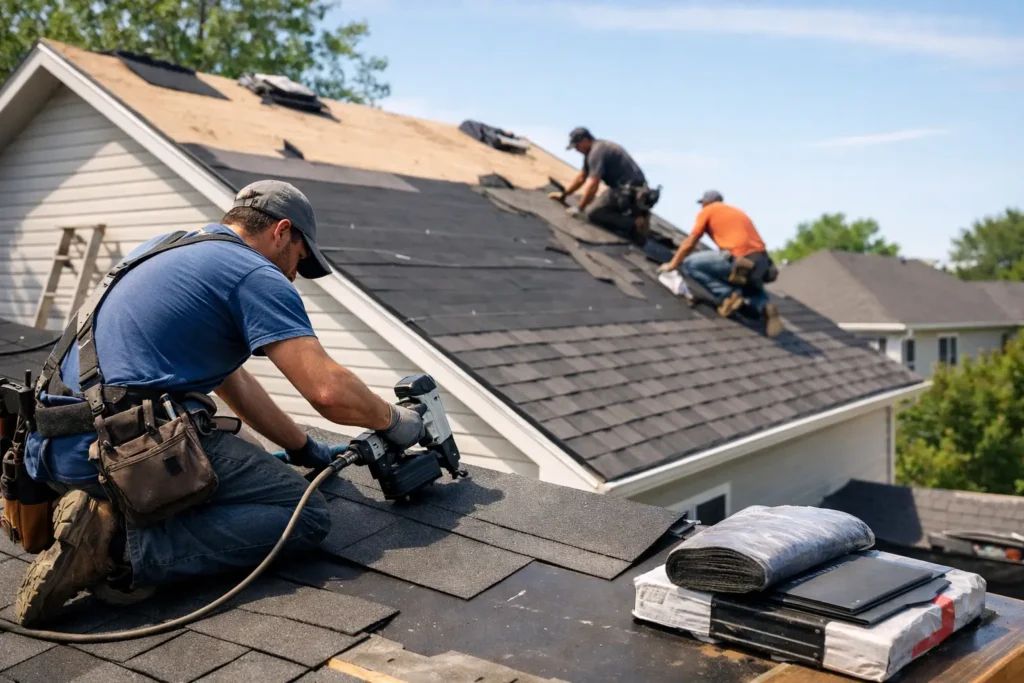
A roof usually does not fail all at once. It starts with a stain on a ceiling, a few shingles in the yard after a windstorm, or that uneasy feeling when winter hits and you know the roof has seen better days. Residential roof replacement becomes the right move when repairs stop solving the problem and the roof can no longer protect the home the way it should.
For homeowners in Central New York, that decision often comes down to weather as much as age. Snow load, ice dams, wind-driven rain, and freeze-thaw cycles put real stress on roofing systems. A roof that might hang on a little longer in a milder climate can become a much bigger risk here. When replacement is necessary, the goal is not just getting new shingles installed. It is getting a complete roofing system built to handle the conditions your home actually faces.
When residential roof replacement makes more sense than repair
Not every roofing problem calls for a full replacement. A small leak around flashing, a limited section of storm damage, or a few missing shingles can often be repaired if the rest of the roof is still in solid shape. The trouble starts when the issues are spread out, recurring, or tied to an aging roof that is nearing the end of its service life.
If your roof is 20 years old or older, replacement is often the more cost-effective choice. The same is true when repairs have become frequent, when shingles are curling or losing granules across large areas, or when water intrusion has started affecting the attic, insulation, or decking. In those cases, patching one section may buy a little time, but it does not remove the larger risk.
Storm damage can also change the equation quickly. Hail bruising, lifted shingles, and wind damage are not always obvious from the ground. What looks minor can leave the roof vulnerable to moisture penetration during the next storm. A proper inspection helps determine whether repair is enough or whether a replacement is the safer long-term option.
What a roof replacement actually includes
Homeowners sometimes hear “roof replacement” and picture only a new layer of shingles. A proper replacement is more than that. It starts with tearing off the old roofing materials so the underlying structure can be inspected. That matters because hidden problems like soft decking, trapped moisture, and inadequate ventilation do not go away just because new shingles are installed over them.
A complete system typically includes underlayment, ice and water protection in key areas, flashing, proper ventilation components, and the finished roofing material itself. Each part plays a role. If one part is weak, the whole roof can suffer.
This is one reason low bids deserve a second look. A cheaper price may reflect shortcuts in underlayment, flashing replacement, ventilation upgrades, or cleanup. The roof may look fine on day one and still fail early because the details were skipped. Good workmanship is not just about how the roof looks from the street. It is about how it performs through the next heavy rain, hard freeze, and wind event.
Signs you should not wait much longer
Some roof problems are urgent, and homeowners are usually right to trust that instinct. If water is actively entering the home, if sections of shingles are missing after a storm, or if the roofline appears sagged or uneven, it is time to have the roof inspected right away.
Other signs are less dramatic but still serious. Dark streaks, moss growth, shingle granules collecting in gutters, repeated attic moisture, and rising energy bills can all point to a roof system that is failing. Interior signs matter too. Ceiling discoloration, peeling paint near rooflines, and musty smells in upper rooms often start small before they become expensive repairs.
Waiting can increase the cost beyond roofing alone. Once water gets into insulation, drywall, framing, or masonry, the project gets larger fast. Replacing the roof before that happens is often the better financial decision.
What affects the cost of residential roof replacement
The first question most homeowners ask is fair and straightforward: how much is this going to cost? The answer depends on the roof size, pitch, material choice, number of layers being removed, condition of the decking, and the complexity of valleys, flashing, chimneys, and penetrations.
Material selection matters, but it is not the only factor. Architectural shingles are a common choice because they offer a strong balance of durability, appearance, and value. Premium materials can increase the upfront cost, but they may make sense if you plan to stay in the home long term or want added protection against harsh weather.
Labor and disposal are part of the picture as well. A steep roof, difficult access, or a home with multiple rooflines takes more time and care. If storm damage has exposed hidden issues beneath the surface, some cost adjustments may happen once the old material is removed. That is why transparency matters. A trustworthy contractor explains what is included, what could change, and how those decisions will be handled before work begins.
Choosing the right contractor matters as much as the material
A new roof is only as dependable as the crew installing it. Homeowners should look for a contractor that is licensed where required, fully insured, experienced with local weather conditions, and clear about scope, pricing, and timeline. If a contractor cannot explain the system in plain language, that is a problem.
It also helps to choose a company that understands storm-related claims and documentation. When damage may involve insurance, the process moves more smoothly when the contractor can provide a detailed inspection and communicate clearly about what was damaged and why replacement may be needed.
Local accountability matters too. A contractor who works in your area has a better understanding of the roofing challenges common to homes in Syracuse and nearby communities. More importantly, they are not disappearing after the job is done. If you need follow-up service, warranty support, or answers, you want a company that is still here.
What to expect during the replacement process
Most homeowners are less worried about the roofing system itself than the disruption. That is understandable. A good contractor should make the process feel organized, not chaotic.
The job usually begins with an inspection and estimate. From there, the contractor reviews material options, explains the timeline, and addresses any concerns about property protection, debris removal, and weather scheduling. On installation day, crews remove the old roof, inspect the decking, make any needed repairs, and install the new system in layers.
Roof replacement can be noisy, and there will be activity around the home, but the job should still be handled with care. Landscaping, driveways, siding, and cleanup all matter. Professional crews plan for that. When the work is complete, the homeowner should know what was installed, what warranties apply, and what to watch for over time.
Why ventilation and weather protection cannot be treated as extras
In Central New York, a roof needs to do more than shed rain. It has to manage snow, ice, temperature swings, and attic moisture. That is why ventilation and ice protection are not optional details.
Poor attic ventilation can trap heat and moisture, shortening shingle life and contributing to mold, wood rot, and ice dam formation. Ice and water barriers help protect vulnerable areas where melting snow can back up and force water under the roofing material. These components may not be visible from the curb, but they directly affect how well the roof performs.
A contractor focused only on the surface layer is missing the bigger picture. The right replacement addresses the whole system so the home is protected season after season.
Residential roof replacement is an investment in peace of mind
No homeowner is excited to replace a roof. It is a major project, and there are real costs involved. But there is also value in knowing your home is protected, your family is dry, and you are not waiting for the next storm to expose a problem you already suspected was there.
That peace of mind is what a quality roof replacement should deliver. Not pressure. Not confusion. Just clear answers, dependable workmanship, and a roof that is built to last.
If your roof is showing signs of age, storm damage, or repeated leaks, getting it inspected now can save time, money, and stress later. A straightforward conversation with a trusted local contractor, such as Alpha Omega Roofing LLC, can help you understand your options and move forward with confidence.