
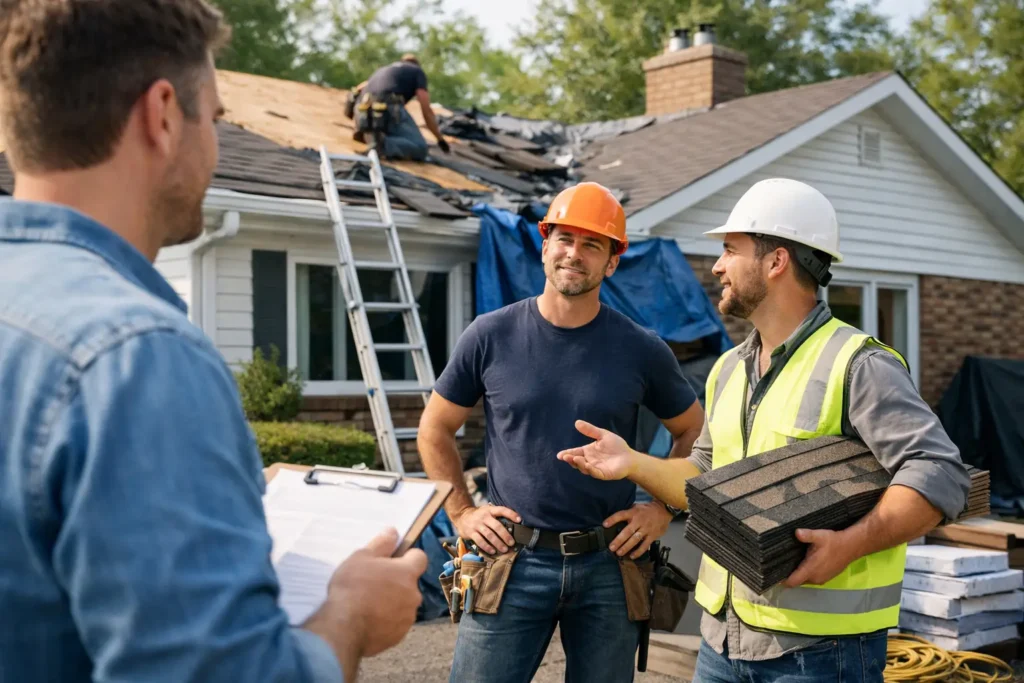
The week before a roof replacement is when most homeowners start noticing the small things that could turn into big hassles – where the crew will park, what happens to patio furniture, and whether pictures on the wall might shake loose. If you are wondering how to prepare for roof replacement, the goal is simple: protect your property, avoid surprises, and make the job easier and safer from day one.
A good contractor will walk you through the process, but a little preparation on your end goes a long way. Roofing work is loud, active, and messy by nature. Old shingles, nails, and debris have to come off before the new system goes on. That does not mean the project should feel chaotic. With the right planning, you can keep your household on track and reduce stress while the work is underway.
How to Prepare for Roof Replacement Before Work Starts
The first step is confirming the scope and schedule. Make sure you know what is being replaced, what materials are being installed, and whether items like flashing, decking repairs, ridge vents, or chimney work are included. If your estimate includes possible wood replacement once the old roof is removed, ask how that pricing will be handled. That kind of transparency matters because some issues are impossible to fully confirm until tear-off begins.
You should also ask about timing. A one-day project and a three-day project create different expectations for parking, pets, and daily routines. In Central New York, weather can shift quickly, so it is smart to ask how your contractor handles rain delays, overnight protection, and material delivery changes.
Once the date is set, clear the areas around your home. Move vehicles out of the driveway or garage if access may be blocked. Roofing crews need room for dump trailers, material drops, ladders, and cleanup equipment. If your driveway is narrow or your property line is tight, talk through logistics ahead of time instead of figuring it out that morning.
Patio furniture, grills, potted plants, bicycles, and children’s toys should be moved away from the house. Even with careful tear-off and tarps in place, debris can fall outside the immediate work zone. If you have anything fragile or expensive near the perimeter of your home, give it extra distance.
Protect the Inside of Your Home Too
Many homeowners focus on the yard and forget about what happens indoors. Roof replacement creates vibration throughout the house, especially during tear-off. That can affect items hanging on walls or sitting on shelves.
Take down framed photos, mirrors, lightweight wall decor, and anything breakable in upstairs rooms or on walls shared with the roofline. If you have an attic, cover stored items with old sheets or plastic drop cloths. Even when a crew works cleanly, some dust or small debris can make its way through older attic spaces.
If you have ceiling-mounted light fixtures or fans that already feel loose, this is the time to address them. The roofing process does not cause structural damage when done properly, but vibration can expose weaknesses that were already there.
It also helps to plan for noise. Hammering, scraping, footsteps on the roof, compressors, and cleanup equipment can make it difficult to work from home, nap, or keep young children on a normal routine. If someone in your home works remotely, studies online, or is sensitive to noise, it may be worth arranging time elsewhere for part of the day.
Make a Plan for Pets and Kids
Roofing day is not business as usual for pets. Dogs may react to unfamiliar workers, loud sounds, and constant movement around the property. Cats can get stressed by vibration and noise. Even calm animals may try to slip out when crews are moving in and out.
If possible, keep pets in a secure interior room away from entry points and noise. Some homeowners prefer to arrange daycare or have pets stay with family during the noisiest part of the project. There is no one right answer. It depends on your pet’s temperament and how long the work is expected to last.
The same goes for small children. A roof replacement site is not a safe play area, even if the crew has barriers and cleanup procedures in place. Talk to kids ahead of time so they know to stay away from ladders, materials, and debris zones. Simple preparation helps prevent a lot of stress once work begins.
Think Through Access and Power
Your contractor may need access to outdoor electrical outlets for tools and equipment. Make sure those outlets are working and easy to reach. If your gates are locked or fenced areas affect access to the rear roofline, unlock them before the crew arrives or make arrangements in advance.
It is also smart to ask whether satellite dishes, antennas, or solar-related equipment will be affected. Some items may need to be removed and reinstalled by a specialty provider. This is one of those details that can delay a job if no one addresses it early.
If you have landscaping close to the house, point out any areas you are concerned about. Experienced roofers know how to protect shrubs and foundation plantings, but some landscaping is more delicate than others. Letting the crew know what matters most to you helps avoid misunderstandings.
What to Expect on Material Delivery Day
Roofing materials often arrive before installation starts. Shingles, underlayment, flashing, and accessories may be delivered by truck and placed on the roof or in the driveway. That does not mean work has started, but it does mean you need to keep the area clear.
If materials are rooftop-loaded, ask whether there are any special concerns for older decking or tight access points. If they are ground-delivered, make sure the placement will not block your vehicles, garage access, or neighbors. Good planning here keeps the project moving and prevents last-minute inconvenience.
This is also a good time to double-check color and product selections. Once materials are delivered and opened, changes may become more difficult. A quick confirmation before installation starts can save a bigger issue later.
How to Prepare for Roof Replacement During the Job
On the day of the project, keep your phone nearby and stay reachable. Most jobs go smoothly, but if the crew uncovers hidden deck rot, old flashing problems, or ventilation issues, decisions may need to be made quickly. Delayed communication can delay the entire schedule.
Keep windows closed, especially on upper levels. This helps reduce dust and keeps debris out of the house. If you have vehicles parked on the street, choose spots away from the work area when possible. That is a simple way to protect them from dust and stray debris.
You should also expect some interruption to your normal routine. There may be periods when entering or exiting certain doors is not ideal because materials are being moved or cleanup is happening nearby. If you need to leave for work, school pickup, or appointments, tell the crew early so they can help keep a safe path open.
A professional contractor should keep the site organized, protect vulnerable areas, and perform cleanup as the job progresses. Still, roofing is active construction. The best approach is to give the crew space to work while staying available if questions come up.
After the Roof Is Finished
When the work is complete, walk the property with your contractor if possible. Ask them to show you the finished roof, explain any repairs that were made, and confirm that cleanup has been completed. You do not need a technical roofing lesson, but you should feel confident about what was installed and why.
Look around flower beds, sidewalks, driveways, and the lawn for stray debris. Reputable roofers use magnetic tools to pick up nails, but it is fair to ask about cleanup procedures if you have children, pets, or a lot of foot traffic around the home.
This is also the right time to ask about warranty coverage and any recommended follow-up, especially if your home has older gutters, siding transitions, masonry details, or ventilation concerns. A roof does not work in isolation. The parts around it matter too.
If your project followed storm damage or an insurance claim, keep all paperwork together. Estimates, supplements, photos, and final invoices are easier to manage when organized from the start. For homeowners dealing with weather-related damage, that extra documentation can make the process easier if questions come up later.
A roof replacement is a major home project, but it should not feel like a guessing game. Clear communication, a little preparation, and a contractor who respects your property make all the difference. If you are getting ready for a new roof, take the time to prepare your home the right way so the installation goes smoother and the result feels like the upgrade it should be.