
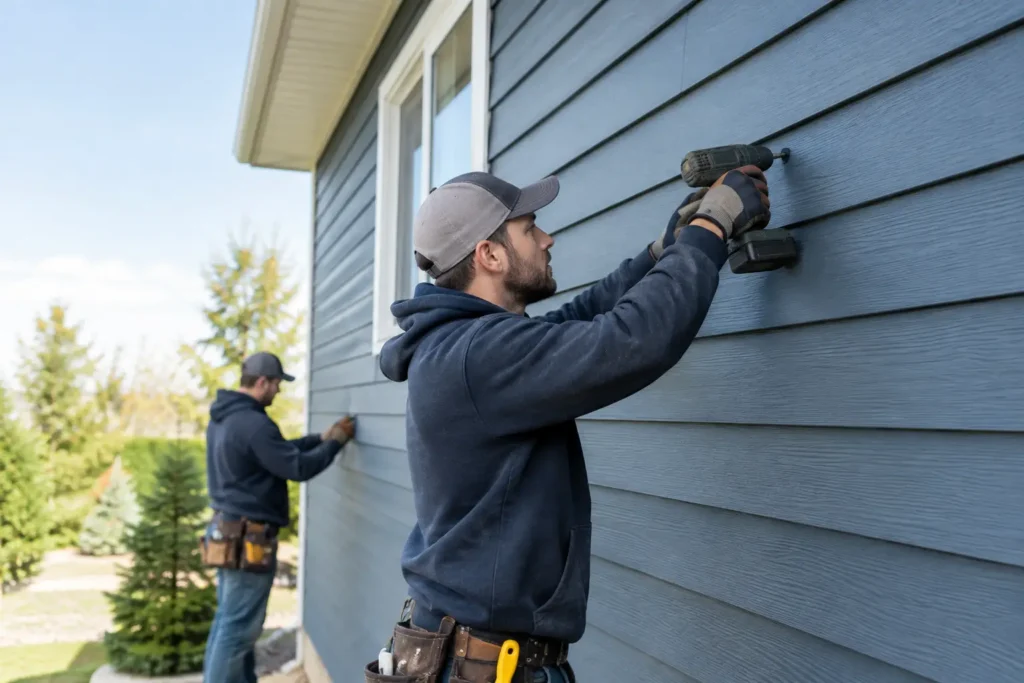
A faded, cracked, or loose siding panel is more than a curb appeal problem in Central New York. It can be an opening for wind-driven rain, moisture, pests, and costly wall damage. Camillus siding installation services should protect your home through lake-effect snow, freeze-thaw cycles, summer storms, and everything in between – not simply make it look better for a season.
For homeowners in Camillus, replacing siding is a practical investment in protection, efficiency, and value. The right material matters, but so do the details behind it: proper wall preparation, flashing, trim, ventilation, fasteners, and a crew that takes the time to identify hidden damage before covering it up.
When Your Siding Needs More Than a Quick Repair
A few small cracks or a single loose panel may be repairable when the surrounding siding is in solid condition. But widespread wear is usually a sign that replacement deserves serious consideration. Waiting too long can allow water to work behind the exterior and affect insulation, sheathing, framing, or interior walls.
Look closely for panels that are warped, buckled, brittle, or repeatedly coming loose. Fading can be largely cosmetic, but chalky surfaces, persistent mildew, soft spots, peeling paint around trim, or rising heating and cooling costs may point to a bigger issue. If you see moisture stains inside near exterior walls, act quickly. The source may be siding, flashing, roofing, windows, or a combination of exterior problems.
Storm damage deserves prompt attention as well. High winds can loosen siding enough to create a path for water even when the damage does not look dramatic from the driveway. A professional inspection gives you a clear picture of what happened and whether repair or replacement is the better long-term choice.
Camillus Siding Installation Services Built for Local Weather
Siding has to do real work in Camillus. It faces cold temperatures, snow accumulation, rain, wind, and seasonal temperature swings that make materials expand and contract. A quality installation accounts for those conditions from the start.
That begins with the wall beneath the siding. Old materials are removed carefully when needed, and the crew checks for rot, damaged sheathing, failed flashing, or other moisture-related concerns. Covering those issues may create a cleaner appearance temporarily, but it does not solve the problem. Addressing them first helps protect the investment you are making.
Water management is equally important. Properly installed house wrap, flashing around windows and doors, and correctly integrated trim direct water away from vulnerable areas. Panels also need room to move naturally with temperature changes. Siding installed too tightly can buckle; siding installed too loosely can rattle, shift, or leave gaps. Craftsmanship in these details is what separates dependable exterior work from a job that creates problems later.
Choosing the Right Siding for Your Home
There is no single best siding material for every property. The right choice depends on your budget, the style of your home, maintenance expectations, and the level of impact resistance you want.
Vinyl siding remains a popular option because it is cost-effective, low maintenance, and available in a wide range of colors and profiles. Modern vinyl can provide a clean, durable finish when it is installed correctly. It is a strong fit for many homeowners who want dependable protection without the ongoing painting demands of wood.
Insulated vinyl siding adds a layer of backing that can improve the finished appearance and help reduce thermal bridging along exterior walls. It can make sense for homeowners focused on comfort and energy performance, though it typically costs more than standard vinyl. It is not a substitute for proper insulation inside the wall, but it can be a useful part of a broader efficiency plan.
Fiber cement offers a more substantial look and strong resistance to fire, insects, and rot. It can closely resemble painted wood and works well for homeowners who want a premium appearance. The trade-off is higher material and labor costs, along with periodic painting or finish maintenance.
Engineered wood siding provides another option for homeowners who like a traditional wood appearance but want improved durability. Quality products can perform well when installed and maintained according to manufacturer requirements. As with any siding, details around flashing, ground clearance, and trim are essential.
A straightforward estimate should explain the material options, installation scope, trim work, removal and disposal, and any repair needs found behind the existing siding. That gives you a fair basis for comparing proposals instead of choosing based on a low number that leaves out critical work.
What a Professional Installation Should Include
A siding project affects many parts of the exterior, so a clear plan matters. Before installation begins, your contractor should walk the property, discuss material and color choices, and identify areas that need special attention. Those may include chimney transitions, windows, doors, roof-to-wall intersections, decks, utility penetrations, and areas where landscaping limits access.
During the work, the crew should protect the work area, remove debris regularly, and keep you informed if they find concealed damage. Some issues cannot be confirmed until old siding is removed. Honest communication at that point matters. You should understand what was found, why it needs attention, and how it changes the scope before additional work moves forward.
Finishing details have a major effect on both appearance and performance. Clean lines around trim, properly fitted soffit and fascia connections, secure corners, and carefully flashed openings help the home look complete while reducing the risk of water intrusion. A final walkthrough gives you an opportunity to review the work and ask questions about care, maintenance, and warranty coverage.
Pair Siding Work With Other Exterior Needs When It Makes Sense
Siding replacement can be an efficient time to address related exterior issues, especially if access and removal work are already part of the project. For example, damaged fascia, aging gutters, compromised window trim, or chimney flashing problems may be easier to identify and repair while the exterior is opened up.
That does not mean every project needs a full exterior overhaul. Homeowners deserve recommendations based on the condition of their home, not pressure to add work that is not necessary. Sometimes a focused siding replacement is the right answer. In other cases, coordinating repairs protects the home better and avoids repeating labor later.
Alpha Omega Roofing LLC helps homeowners evaluate the full exterior with straightforward guidance. If storm damage is involved, documenting visible conditions and separating storm-related repairs from normal aging can also help you have a more informed conversation with your insurance carrier.
Start With a Clear, No-Pressure Estimate
The best time to plan siding replacement is before a loose panel becomes a wet wall cavity. If your exterior is showing wear, you do not need to guess whether the problem is cosmetic or serious. A professional inspection can identify what is happening behind the visible surface and outline practical options for moving forward.
Ask for an estimate that is clear about materials, preparation, repair allowances, timeline, cleanup, and workmanship. Then choose the contractor who treats your home like a long-term responsibility. Strong siding should give your Camillus home a finished look, but more importantly, it should give you confidence the next time the weather turns.