
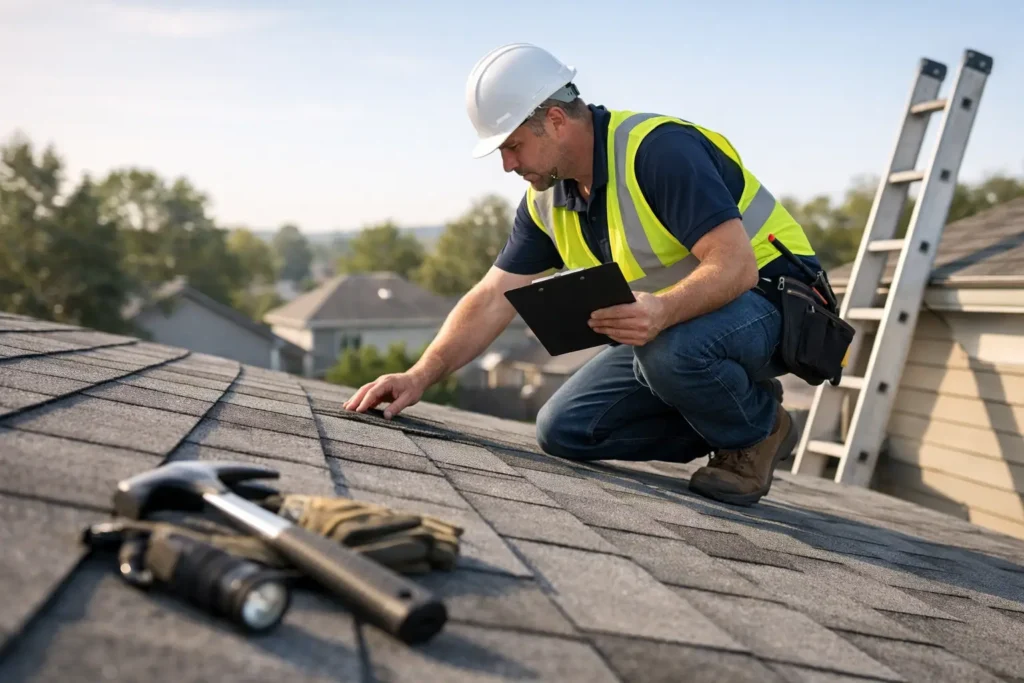
A roof rarely fails all at once. More often, it gives homeowners small warnings first – a lifted shingle after a windstorm, a faint water stain in the attic, granules collecting in a gutter. The question is how often should a roof be inspected before those small issues turn into expensive repairs. For most homes, the right answer is once a year and after any major storm, but Central New York weather can shorten that timeline.
How often should a roof be inspected for most homes?
A good rule for most homeowners is to schedule a professional roof inspection once every year. That yearly check gives you a chance to catch wear before it becomes a leak, especially on roofs that take a beating from snow, ice, wind, and heavy rain.
That said, annual inspections are the baseline, not the full story. If your roof is older, has had past repairs, or has recently been through a storm, it may need to be checked more often. A newer roof in excellent condition may not show major issues at year one, but regular inspections still help confirm that flashing, vents, shingles, and other vulnerable areas are holding up the way they should.
For many homeowners, the best timing is either spring or fall. Spring inspections help uncover damage from winter snow loads and ice dams. Fall inspections make sure the roof is ready before freezing temperatures return. If you can only choose one, an annual inspection is still far better than waiting for a problem to show itself indoors.
Why Central New York roofs need closer attention
Roofing advice changes by region. In Central New York, roofs deal with freeze-thaw cycles, lake-effect snow, strong winds, and sudden storm damage. Those conditions can age roofing materials faster than homeowners expect.
Snow and ice are especially hard on shingles, flashing, and roof edges. Ice dams can force water under roofing materials even when the roof itself still looks fine from the ground. Wind can loosen or crease shingles without fully tearing them off, which means damage may not be obvious until water gets in.
This is why homeowners in Syracuse, Liverpool, Baldwinsville, and nearby communities should think beyond a simple calendar reminder. The local weather pattern makes storm-related inspections just as important as routine yearly maintenance.
When you should schedule an inspection sooner
There are several situations where waiting for your next annual inspection is a mistake. After a major windstorm, hail event, or heavy snowfall, it makes sense to have the roof checked. The same goes for any visible sign of trouble inside the home.
If you notice water spots on ceilings, damp insulation in the attic, peeling paint near rooflines, sagging gutters, or shingles in the yard, it is time to call right away. Even a small leak can travel before it becomes visible, which means the source may be affecting decking, insulation, and interior finishes long before the stain appears.
Age matters too. If your roof is around 15 years old or older, more frequent inspections are usually worth it. Materials naturally wear down over time, and an older roof is less forgiving when rough weather hits. In those cases, twice-yearly inspections can be a smart preventive step.
How often should a roof be inspected after a storm?
After a significant storm, the roof should be inspected as soon as conditions are safe. That does not always mean the same day, but it does mean you should not wait weeks or months if there is reason to suspect damage.
Storm damage is not always dramatic. Sometimes it shows up as lifted tabs, cracked sealant, bent flashing, or minor punctures around roof penetrations. These are the kinds of issues that are easier and less expensive to address early. They are also the types of problems that can support an insurance claim when properly documented.
If your neighborhood saw strong winds, fallen branches, hail, or visible debris impact, a prompt inspection gives you clarity. You find out whether you need a simple repair, a more involved restoration, or just peace of mind that the roof came through the storm in good shape.
What a professional roof inspection should actually include
Not all inspections are equal. A real roof inspection should be more than a quick glance from the driveway. Homeowners deserve a clear look at the condition of the roofing system, not just a vague opinion.
A thorough inspection typically includes the shingles or roofing surface, flashing, vents, valleys, chimney areas, soffits, fascia, gutters, and visible signs of moisture intrusion. If accessible, the attic should also be checked for ventilation issues, leaks, mold, and insulation concerns tied to roof performance.
The goal is not just to find active leaks. It is to spot weak points before they fail. A roof can still be functional while showing early warning signs that need attention. Catching those issues in time often means the difference between a manageable repair and a larger replacement project.
Can you inspect your own roof?
Homeowners can and should keep an eye out for warning signs, but that is different from performing a full inspection. A simple visual check from the ground after storms can help you catch obvious issues like missing shingles, fallen tree limbs, damaged gutters, or pieces of flashing out of place.
Climbing onto the roof yourself is usually not worth the risk. It can be dangerous, and untrained eyes often miss subtle damage that later becomes a serious problem. Even walking on certain roofing materials can cause additional wear.
The better approach is to do a safe visual review from the ground and from inside the attic if possible, then call a professional if anything looks off. If the roof has been through severe weather or is showing signs of age, a professional inspection is the more reliable next step.
The cost of waiting too long
Many homeowners put off inspections because there is no active leak, and on the surface that feels reasonable. The problem is that roofs often hide damage well. By the time water makes it into the living space, the repair may involve more than just shingles.
Unchecked roof issues can lead to rotted decking, damaged insulation, interior drywall repairs, mold concerns, and higher repair bills across multiple parts of the home. A small flashing issue around a chimney or vent can eventually become a much larger and more disruptive project.
There is also the question of roof life. Regular inspections do not just identify problems – they help protect the investment you have already made. A roof that receives timely repairs usually lasts longer than one that is ignored until failure.
A practical schedule for homeowners
For most homes, this schedule works well. Plan for one professional inspection every year. Add an additional inspection after any major storm involving high winds, hail, falling debris, or heavy snow concerns. If your roof is older, has a history of leaks, or has needed multiple repairs, consider having it checked twice a year.
That schedule is simple enough to follow and realistic for busy homeowners. It also fits the way roofing problems actually develop. Most issues do not need daily attention, but they do need a trained set of eyes on a consistent basis.
If you are unsure where your roof stands, start with the age of the roof and what it has been through recently. A newer roof with no storm impact may only need its yearly inspection. An older roof after a rough winter should move to the top of your list.
When it makes sense to call now
If you cannot remember the last time your roof was inspected, that alone is a good reason to schedule one. The same is true if you have seen shingles on the ground, noticed a ceiling stain, dealt with ice dams, or suspect recent storm damage.
Homeowners do not need to diagnose the problem before making the call. You just need a clear answer about the roof’s condition and what, if anything, needs to be done next. That kind of straightforward guidance is what most people are really looking for.
At Alpha Omega Roofing LLC, we know what Central New York weather can do to a roof, and we know homeowners want honest answers without pressure. If something is wrong, you should hear it clearly. If your roof is still in solid shape, you should hear that too.
The best time to inspect a roof is before water makes the decision for you. A simple check at the right time can save money, reduce stress, and help you move into the next season with more confidence.