
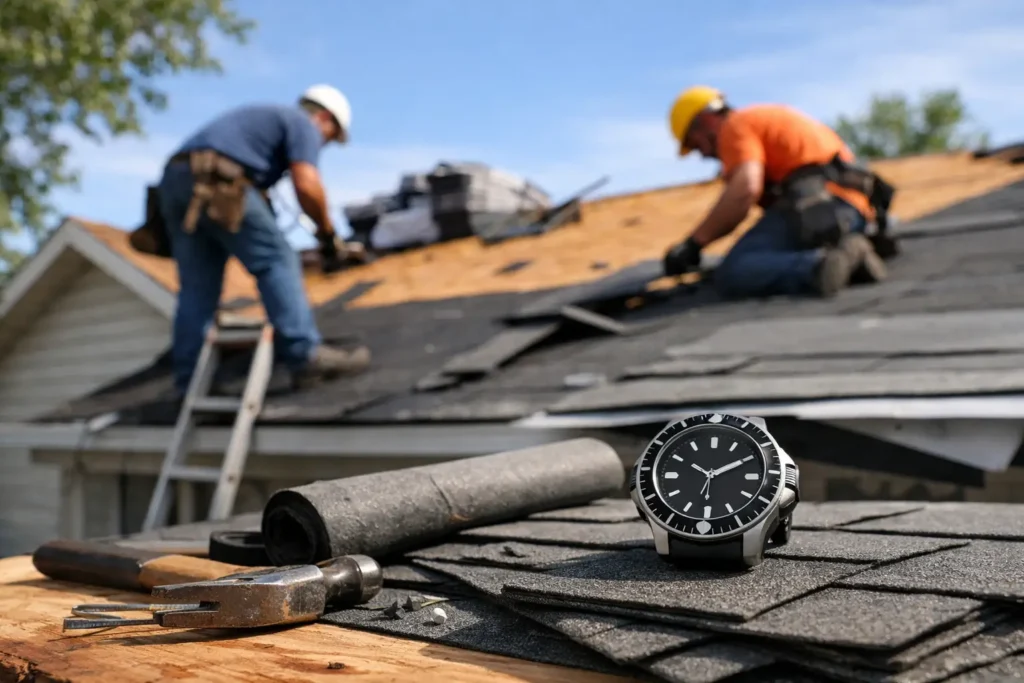
If your roof is leaking, missing shingles, or showing its age, one of the first questions you probably have is how long does a roof replacement take. The short answer is that many residential roof replacements are completed in one to three days. The real answer depends on your roof size, material, weather, and whether hidden damage shows up once the old roof comes off.
That timing matters. You are planning around your family, your driveway, your budget, and your peace of mind. If you live in Central New York, it also means planning around weather that can change fast and put extra pressure on a worn-out roof.
How long does a roof replacement take on most homes?
For a straightforward asphalt shingle roof on an average-sized home, replacement often takes one to two days once the crew starts. A larger home or a roof with a steeper pitch, multiple sections, or complicated features may take two to four days. If there is major decking damage underneath, the job can take longer.
What homeowners often miss is that the full project timeline is not just the installation day. There is usually an inspection, estimate, material ordering, scheduling, permit coordination if needed, tear-off, installation, cleanup, and final walkthrough. So while the work on your roof may be quick, the entire process from first call to final completion may take anywhere from a few days to a couple of weeks depending on demand and conditions.
What affects roof replacement timing?
No two homes are exactly alike, and roof replacement timelines are shaped by the details. A simple ranch home with easy access is very different from a large two-story house with valleys, dormers, skylights, or chimney flashing that needs careful work.
Roof size and layout
Bigger roofs take longer, but square footage is only part of the story. Roof complexity can slow a project down just as much as size. Multiple angles, steep slopes, low access areas, and detailed flashing work all require more labor and more time. A home with a simple roofline may be done in a day. A cut-up roof with several penetrations may need a few more.
Roofing material
Asphalt shingles are usually the fastest system to replace on a residential home. Metal, cedar, tile, and specialty roofing products generally take longer because installation is more detailed and materials must be handled differently. If you are replacing an older roof with the same asphalt system, timing is usually more predictable.
Tear-off versus overlay
A full replacement usually means tearing off the old roofing down to the deck and installing a new system. That takes more time than laying a new layer over existing shingles, but it is also the better long-term approach in most cases. A full tear-off lets the contractor inspect the wood decking, underlayment, flashing, ventilation, and other critical parts of the roof system.
Weather conditions
Weather is one of the biggest variables, especially in areas like Syracuse and the surrounding region. Rain, high winds, snow, and freezing temperatures can delay a start date or pause a job already in progress. Roofing materials need to be installed under the right conditions to perform the way they should. A good contractor will not rush that part just to stay on a calendar.
Hidden damage
Sometimes the schedule changes after tear-off begins. Rotten decking, water damage around chimneys, damaged flashing, poor ventilation, or signs of older storm damage may not be fully visible until the old materials are removed. When that happens, repairs need to be made before the new roof goes on. That can add time, but skipping those repairs usually creates bigger problems later.
The roof replacement timeline from start to finish
If you are trying to plan around work, school, or a pending home insurance claim, it helps to know what the process usually looks like.
The first step is the inspection. A contractor checks the age and condition of the roof, looks for leaks or storm damage, measures the roof, and explains whether replacement is the right move. After that, you receive an estimate and review material options, color choices, and any related repairs.
Once you approve the project, materials are ordered and the job is scheduled. In some cases, this happens quickly. During peak storm season or busy parts of the year, scheduling may take longer. If permits are required, that can also affect timing, although an experienced contractor will usually handle that side of the process for you.
On installation day, the crew protects the property, removes old shingles and underlayment, inspects the roof deck, replaces any bad wood, and installs the new roofing system. That includes underlayment, ice and water protection where needed, flashing, ventilation components, and the new shingles or other roofing material. Cleanup usually happens the same day and includes magnetic sweeping for nails and debris.
A final walkthrough comes after the roof is complete. This is your chance to ask questions, review the finished work, and make sure everything was completed as promised.
Can a roof replacement be done in one day?
Yes, sometimes. One-day roof replacements are common on smaller homes with asphalt shingles, simple rooflines, good weather, and no major repairs underneath. But one day should not be the standard homeowners use to judge quality.
A fast roof replacement is only a good thing if the work is done correctly. The goal is not just speed. The goal is a roof that is installed right, protects your home through tough weather, and holds up for years. If a contractor promises a one-day job before inspecting the roof, that should raise questions.
What can delay a roof replacement?
The most common delays are weather, material availability, unexpected wood replacement, and scheduling pressure after major storms. Insurance claim issues can also slow things down if the homeowner is waiting for approvals or documentation.
There are also practical site conditions that matter. Limited driveway access, landscaping that requires extra protection, detached structures, or power line concerns can affect how quickly a crew can work. None of these problems mean the project is off track. They just need to be managed properly.
How to help your roof replacement stay on schedule
Homeowners cannot control the weather, but there are a few ways to make the process smoother. Approving materials promptly, clearing the driveway, moving vehicles, securing pets, and keeping attic access available can all help the crew work more efficiently.
Good communication matters too. Ask your contractor what the expected start date is, how long the installation should take, what could cause delays, and how they handle surprise repairs if damaged decking is found. Straight answers upfront usually lead to a less stressful project.
Why timing should not be the only question
It is reasonable to ask how long does a roof replacement take, but it is just as important to ask what is included in the job. A roof is more than shingles. If flashing is reused when it should be replaced, if ventilation is ignored, or if damaged wood is covered up, the project may be quick but the results may not last.
That is why a trustworthy contractor will talk through the scope of work, not just the start and finish dates. Homeowners deserve clear expectations, clean workmanship, and pricing that makes sense before the crew ever steps on the roof.
What to expect during your replacement day
Roof replacement is noisy. There will be foot traffic overhead, old materials coming off, tools running, and trucks or trailers on site. For most families, it is manageable, but it is not a quiet work-from-home day. If you have small children, pets, or anyone sensitive to noise, plan ahead.
The good news is that the disruption is temporary. On a well-run job, the crew keeps the site organized, protects siding and landscaping, and cleans up thoroughly at the end. That kind of professionalism matters just as much as the roofing material itself.
If your roof is nearing the end of its life or showing signs of storm damage, the best next step is not guessing at the calendar. It is getting a professional inspection and a clear timeline based on your home, your roof, and your conditions. A good contractor will tell you what can be done quickly, what may take longer, and what is worth doing right the first time. If you need that kind of straightforward guidance, Alpha Omega Roofing LLC can help you understand the timeline before the first shingle comes off.