
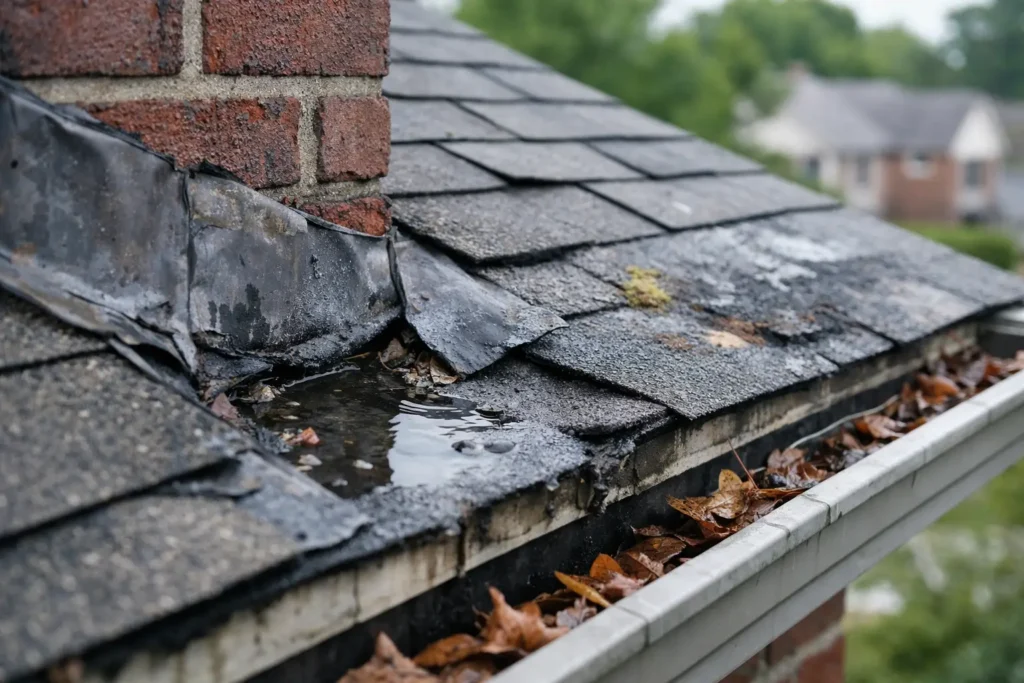
A roof can look fine from the street and still let water in at its most vulnerable points. Roof flashing failure signs often show up around chimneys, vent pipes, skylights, and roof-to-wall intersections – places where shingles alone cannot keep out wind-driven rain, snowmelt, or ice.
In Central New York, flashing works hard. Freeze-thaw cycles, heavy snow, wind, and summer storms can loosen metal, crack sealant, and expose gaps over time. Catching a flashing issue early can mean a focused repair instead of damaged decking, stained ceilings, mold growth, or a larger roof replacement project.
What Roof Flashing Does
Flashing is the metal material installed where the roof meets another surface or changes direction. It redirects water away from openings and into the gutter system rather than allowing it to run beneath shingles.
You may find flashing around a chimney, a plumbing vent, a skylight, dormers, valleys, roof edges, and sidewalls. Some flashing is visible, while some is woven beneath roofing materials. Because it is part of a system, a problem is not always obvious from ground level.
A little surface discoloration on older metal does not automatically mean failure. The concern is whether flashing is still secured, properly layered, and directing water where it belongs.
7 Roof Flashing Failure Signs Homeowners Should Know
1. Water stains near a chimney, skylight, or exterior wall
A yellow-brown ceiling stain is one of the clearest warning signs, especially when it appears after rain or during a thaw. Look for staining in the attic, on upper-level ceilings, or near walls that meet the roofline.
The stain may not sit directly under the leak. Water can travel along roof decking, rafters, or insulation before it becomes visible indoors. That is why a professional inspection should trace the moisture source rather than simply patch the stained area.
2. Loose, lifted, or missing flashing
From the ground, you may notice metal pulling away from a chimney or wall, a lifted edge near a vent, or an uneven piece of flashing after a windstorm. Flashing should lie securely against the surfaces it protects. If wind can get underneath it, water often can too.
Do not climb onto the roof to press it back into place. Wet shingles, steep slopes, and hidden weak areas make roof access risky. Clear photos from the ground can be helpful, but a trained roofer can safely determine whether the flashing needs to be resecured, resealed, or replaced.
3. Cracked, dried-out, or separated sealant
Roofing sealant is commonly used at flashing edges, fasteners, and penetrations. Over time, it can shrink, crack, peel, or separate from the metal. That can leave a small opening that becomes a major problem during a hard rain.
Sealant is not a permanent substitute for correctly installed flashing. If a roof has been repeatedly coated with caulk to stop the same leak, there may be an underlying installation issue, rusted flashing, or deteriorated roofing material that needs a more durable repair.
4. Rust, corrosion, or holes in metal flashing
Older galvanized steel flashing can rust, particularly where water sits or protective coatings have worn away. Rust streaks around a chimney or vent may be an early warning. Flaking metal, pinholes, and soft spots are more urgent because they can allow water directly into the roof system.
Replacement is often the right answer once corrosion has compromised the metal. A roofer may recommend aluminum, copper, or another appropriate material based on the roof design, existing materials, budget, and local weather exposure.
5. Damaged shingles around flashing details
Cracked, curled, loose, or missing shingles near a chimney, valley, or sidewall can expose the flashing system. The same wind event that damages shingles may bend flashing or pull fasteners loose. Ice dams can also push water beneath shingles at these vulnerable transitions.
This is one reason a repair should address the full area, not just the most visible piece of metal. Proper roof repair may involve replacing damaged shingles, underlayment, flashing, and related components so water sheds correctly again.
6. Drips or damp insulation in the attic
An attic inspection after a storm can reveal a problem before ceiling damage appears. If it is safe to enter, use a flashlight to look for wet sheathing, darkened wood, damp insulation, water trails, or active dripping near chimneys and roof penetrations.
Avoid stepping on exposed insulation or touching electrical components. If you find moisture, take photos and arrange an inspection promptly. Wet insulation loses effectiveness, and trapped moisture can lead to wood rot or mold if left unaddressed.
7. Leaks that return after a temporary repair
A leak that disappears for a while and returns with the next heavy rain is not a minor inconvenience. It is a signal that the original repair may have treated the symptom instead of the cause.
Recurring leaks around a chimney are especially common when step flashing, counterflashing, masonry, and shingles are not working together. Depending on the condition of the chimney, the repair may require both roofing and masonry attention. A thorough assessment prevents money from being spent on repeated short-term patches.
Why Flashing Fails in Central New York
Flashing can fail because of age, improper installation, storm damage, rust, or movement between building materials. A chimney and roof expand, contract, and settle differently. When flashing was installed incorrectly or fastened too rigidly, that movement can create gaps over time.
Winter adds another layer of stress. Snow accumulation and ice dams can hold water near flashing details for longer than a normal rainstorm. When temperatures rise, snowmelt can work its way into small openings. High winds may then loosen already compromised metal or shingles.
The age of the roof matters, but newer roofs can develop flashing problems too. A recent roof installation does not guarantee that every chimney, wall, vent, or skylight detail was completed correctly. If a leak starts soon after a replacement, it deserves a careful inspection and a clear explanation of the repair options.
What to Do When You Notice a Problem
Start by limiting interior damage. Place a bucket under active drips, move furniture and valuables out of the area, and document the leak with photos or video. If water is near light fixtures or electrical wiring, turn off power to that area if you can do so safely and contact a qualified professional.
Then schedule a roof inspection. A contractor should examine the flashing, surrounding shingles, underlayment, roof decking, and the area inside the attic when accessible. For chimney-related leaks, the masonry and chimney cap may need to be evaluated as well.
Be cautious with quick fixes. Roofing cement or sealant can sometimes provide temporary protection in an emergency, but it should not be treated as a long-term repair when metal is loose, rusted, or improperly installed. The right fix depends on the source of the leak and the overall condition of the roof.
If storm damage may be involved, keep photos, note the date of the event, and save any information from your insurance carrier. A local contractor can document visible damage and explain the repair scope clearly, helping you make an informed decision without pressure.
When to Call a Roofing Professional
Call promptly if you see active leaking, ceiling stains, loose metal, missing shingles around a penetration, or damp attic materials. Waiting can allow a manageable flashing repair to become a decking, insulation, drywall, or structural repair.
For homeowners in Syracuse and the surrounding Central New York area, Alpha Omega Roofing LLC can inspect problem areas, explain what failed, and recommend a practical repair plan. The goal is not to sell work you do not need. It is to restore the roof’s ability to keep water out before the next storm tests it again.
A flashing problem is rarely convenient, but it is often fixable when addressed early. Pay attention to changes after severe weather, trust the warning signs inside your home, and get a qualified set of eyes on the roof before a small gap becomes a larger repair.