
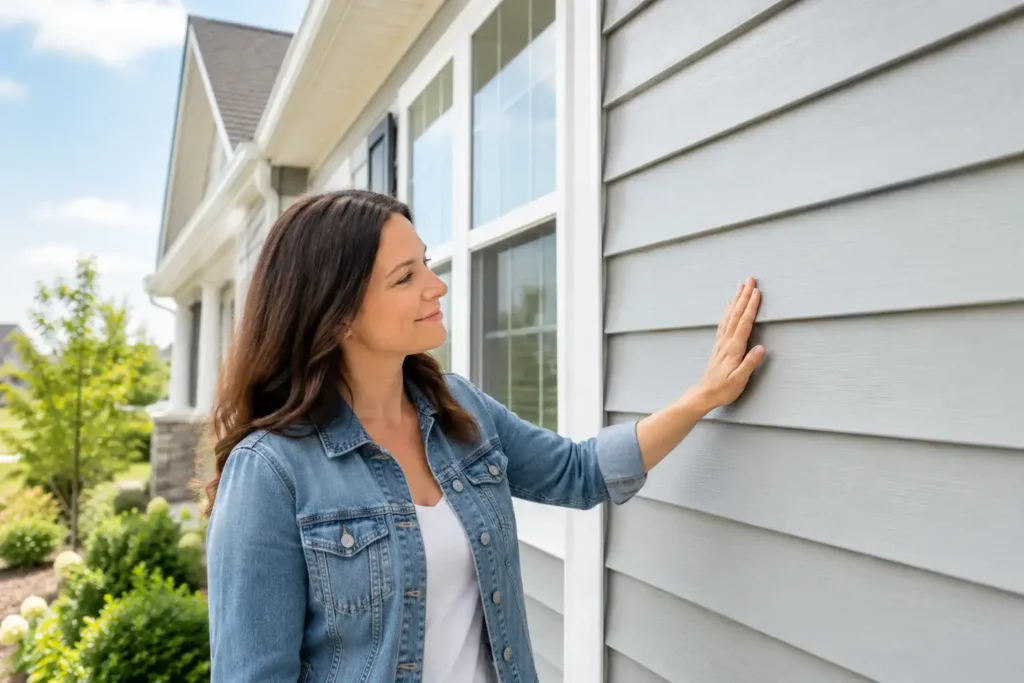
A faded, cracked, or storm-battered exterior can make a home feel older than it is. This vinyl siding review gives Central New York homeowners a practical look at what vinyl siding does well, where it falls short, and what to expect before committing to an installation.
Vinyl remains one of the most common siding choices for good reason. It can deliver a clean appearance without the regular scraping and repainting required by wood. But the best decision is not simply choosing a material from a sample board. It is choosing the right grade, profile, insulation approach, and installation team for a home that has to handle snow, wind, rain, ice, and major temperature swings.
Vinyl Siding Review: The Main Advantages
For many homeowners, the biggest benefit of vinyl siding is low maintenance. Quality vinyl does not need painting, and it will not rot, attract termites, or absorb moisture the way untreated wood products can. A periodic rinse with a garden hose and mild cleaner is usually enough to remove dirt, pollen, and light surface staining.
Vinyl also offers strong curb-appeal value. It is available in traditional lap siding, Dutch lap, vertical panels, board-and-batten styles, shakes, and scallops. Homeowners can choose from a wide range of colors, including deeper shades that were less dependable in earlier generations of vinyl products. Trim, soffit, and fascia can be coordinated for a more finished exterior.
Cost is another reason vinyl is popular. It is generally more affordable than fiber cement, natural wood, and many engineered siding systems. That does not mean every vinyl option is inexpensive in the same way. Thin builder-grade panels may reduce the initial price, but they can be more prone to damage and can look less substantial on the wall. A heavier panel with better color retention and a stronger profile often provides better long-term value.
It Handles Moisture Better Than Wood
Central New York homes deal with plenty of moisture, from wind-driven rain to snow sitting against lower wall areas. Vinyl itself does not rot or swell from water exposure. When installed correctly with proper housewrap, flashing, and drainage details, it provides a protective outer layer that helps manage weather exposure.
That last point matters. Siding is not a substitute for proper wall protection. If water gets behind the siding because of failed flashing around windows, doors, roof-to-wall intersections, or penetrations, damage can develop out of sight. Good installation is just as important as the panel selected.
Where Vinyl Siding Has Limits
An honest vinyl siding review needs to address the trade-offs. Vinyl is durable, but it is not indestructible. In very cold weather, lower-quality or aging panels can become more brittle. A hard impact from a ladder, baseball, snowblower discharge, or falling branch may crack a panel.
Heat is another consideration. Vinyl can soften or warp when exposed to concentrated reflected sunlight, such as glare from certain energy-efficient windows. It can also distort near grills, fire pits, or other intense heat sources. Proper placement and safe use of outdoor heat sources help reduce this risk.
Color matching can be difficult after years of sun exposure. If one panel is damaged, a replacement from the same manufacturer may not blend perfectly with older siding that has faded slightly. Keeping a few extra panels from the original installation is a simple precaution that can make a future repair easier.
Vinyl also does not provide the same solid, premium feel as some heavier materials. Insulated vinyl can reduce this effect, and a quality panel installed over a flat, properly prepared wall will look better than a thin panel installed over uneven surfaces. Still, homeowners seeking the look and texture of real cedar or the impact resistance of fiber cement may prefer another material.
How Vinyl Siding Performs in Central New York Weather
Syracuse-area homeowners should think beyond color and style. The exterior has to perform through freezing temperatures, lake-effect snow, spring rain, humid summers, and high winds during storms.
A properly installed vinyl system can perform well in this climate because it sheds water and does not rot. However, vinyl expands and contracts as temperatures change. Installers must leave the correct clearance at fasteners, ends, and trim channels. Panels should be secured without being nailed too tightly. When vinyl is fastened incorrectly, it can buckle, ripple, or pull away as the seasons change.
Wind resistance also depends on installation. The panel’s rated wind performance is only part of the picture. Fastener placement, wall condition, starter strips, corner posts, and trim all affect how well the system holds up. If your home has experienced storm damage, it is wise to inspect the siding along with the roof, gutters, fascia, and window trim. Damage in one area can point to problems in another.
Insulated Vinyl Siding: Is It Worth the Added Cost?
Insulated vinyl siding has a rigid foam backing attached to each panel. It adds some insulation value, improves the panel’s stiffness, and can create a flatter, more substantial appearance. It may also reduce minor exterior noise.
For a homeowner replacing old, thin siding, insulated vinyl can be a worthwhile upgrade. It is especially helpful when walls look uneven or when you want a more solid finish. The added insulation should not be viewed as a replacement for proper attic insulation, air sealing, or wall insulation, which usually have a greater effect on comfort and energy use.
Whether it is worth the price depends on the home and the project goals. If budget is the top priority, a high-quality non-insulated panel installed correctly may be the smarter choice. If appearance, panel strength, and added wall performance matter more, insulated siding deserves consideration.
What to Look for Before You Choose Vinyl
Do not make a siding decision based on a small color sample alone. Ask to see full-size panels and compare their thickness, profile depth, texture, locking system, and warranty. A panel that feels flimsy in your hand may not provide the appearance or resilience you expect over time.
Pay close attention to the parts of the job that are easy to overlook. Window and door trim, corner posts, soffit, fascia, flashing, housewrap, and starter strips all affect the finished appearance and water management. The siding panels may be the visible product, but the details behind and around them determine whether the installation lasts.
Before work begins, the contractor should identify damaged sheathing, rotten trim, loose gutters, masonry concerns, or roof issues that could affect the project. Covering over hidden damage is never a good repair strategy. A straightforward inspection and written scope of work help prevent surprises once old siding comes off.
Vinyl Siding Costs and Value
The price of a vinyl siding project varies widely based on home size, panel quality, insulation, trim work, wall repairs, accessibility, and removal of existing materials. Homes with multiple gables, bump-outs, tall walls, or extensive window trim require more labor and more detailed finishing work.
The lowest estimate is not always the best value. A price that seems unusually low may leave out sheathing repair, flashing, trim upgrades, debris removal, or other necessary work. Ask what is included, what could create additional cost, and how damaged wood will be handled if it is discovered during installation.
A quality siding project can improve curb appeal, reduce ongoing maintenance, and protect the structure beneath the exterior. It can also support resale appeal, particularly when the home’s existing siding is visibly worn or damaged. The return is not only financial. For many families, the value is knowing the exterior is prepared for the next stretch of hard weather.
Is Vinyl Siding the Right Choice?
Vinyl siding is a strong fit for homeowners who want a clean, dependable exterior with manageable upkeep and a broad range of design options. It is especially practical when the goal is to replace aging siding without taking on the regular painting demands of wood.
It may not be the best fit if your top priority is maximum impact resistance, highly authentic wood texture, or the architectural look of premium natural materials. In those cases, fiber cement, engineered wood, or other siding options may be worth comparing.
The right siding should fit the home, the budget, and the weather it will face. Before selecting a product, have the exterior inspected, ask clear questions about installation details, and choose workmanship that protects what is behind the siding. A well-planned project gives your home more than a fresh look – it gives you confidence when the next Central New York storm arrives.