
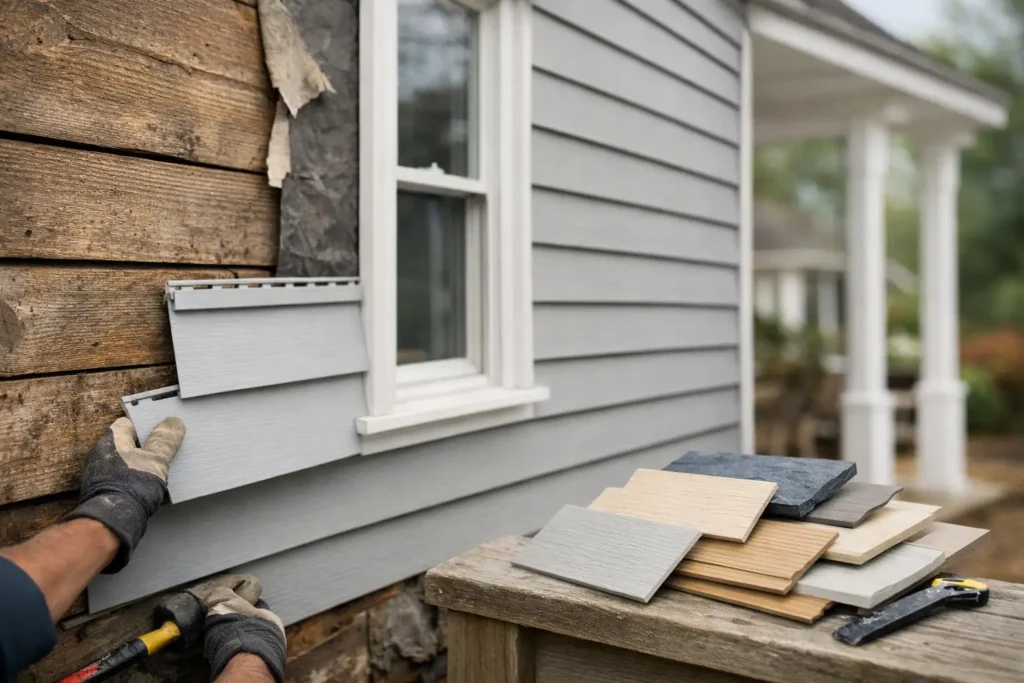
An older home can tell you a lot before a siding project begins. Peeling paint around window trim, soft boards near the foundation, warped panels, and recurring drafts are not just cosmetic issues. When choosing siding for older homes, the best decision starts with understanding what is happening behind the exterior – especially in Central New York, where snow, wind-driven rain, freeze-thaw cycles, and humidity can expose weak details quickly.
New siding should improve curb appeal, but its bigger job is protecting the structure. The right material, installed over a properly prepared wall, can help preserve an older home for decades. The wrong approach can trap moisture, hide rot, and leave homeowners paying for repairs that should have been addressed the first time.
Start With the Condition of the Existing Walls
Before selecting a color or material, have the current siding and wall system inspected. Older homes often have more than one layer of siding, patches from past repairs, aging window trim, and areas where water has been getting in for years. Covering those conditions with new siding may make the house look better temporarily, but it does not solve the source of the problem.
Pay close attention to siding near rooflines, chimneys, gutters, doors, and windows. These are common locations for failed flashing and water intrusion. Soft sheathing, staining, loose masonry, insect damage, or deteriorated trim may require repair before installation begins. A contractor should also inspect the foundation line, since siding installed too close to grade can wick moisture and deteriorate prematurely.
If the home has very old painted wood siding, assume caution is needed until testing proves otherwise. Lead paint can be present on homes built before 1978. Some older cementitious siding products may also contain asbestos. Neither issue means a project cannot move forward, but the material must be handled correctly. Do not sand, cut, or remove questionable siding without a qualified assessment.
Choosing Siding for Older Homes: Match the Material to the House
There is no single best siding for every older property. Budget, architectural style, maintenance expectations, and the condition of the existing walls all matter. A material that looks right on a 1920s colonial may not suit a modest postwar ranch, and a low-maintenance option may be worth more to one homeowner than a historically exact appearance.
Vinyl siding
Vinyl remains a practical choice for many homeowners because it is affordable, low maintenance, and available in a wide range of colors and profiles. Quality vinyl can perform well in Central New York when it is installed with room for seasonal expansion and contraction.
The trade-off is appearance and impact resistance. Thin, entry-level panels can look flat, crack in extreme cold, or become loose in high winds. On an older home with uneven walls, vinyl may also reveal waves and irregularities unless the wall is properly prepared. Choosing a heavier-grade panel and taking time to correct the substrate can make a significant difference.
Insulated vinyl can add rigidity and modest thermal value, but it is not a substitute for properly insulating wall cavities or air-sealing the home. It should be considered a siding upgrade, not an all-purpose energy fix.
Fiber cement siding
Fiber cement is a strong option for homeowners who want the look of painted wood without the same level of ongoing wood maintenance. It resists rot, insects, and fire, and it is available in lap siding, shingles, panels, and trim styles that work well with many older homes.
It is heavier and more labor-intensive than vinyl, so installation costs are usually higher. It also needs correct clearances from roofs, decks, and grade, along with proper flashing and paint or factory finish maintenance. When installed correctly, fiber cement offers a clean, substantial look that can respect an older home’s character.
Engineered wood siding
Engineered wood siding gives homeowners another option when they want a wood-grain appearance with greater consistency and lower maintenance than traditional wood. It can be lighter and easier to install than fiber cement, and many products are designed to resist moisture and fungal decay.
As with every manufactured siding material, performance depends heavily on installation. Cut edges, penetrations, transitions, and ground clearance must be handled according to manufacturer requirements. If those details are ignored, moisture can create problems at vulnerable areas.
Natural wood siding
For historic homes or homeowners committed to original character, real wood may still be the right answer. Cedar shingles, clapboards, and carefully milled trim bring depth and authenticity that manufactured products cannot fully duplicate.
Wood demands a maintenance plan. It needs regular painting or staining, prompt repair of failed caulk or flashing, and attention to areas shaded by trees or exposed to repeated moisture. For the right home and homeowner, that work is worthwhile. For someone looking for minimal upkeep, another material may be the better long-term fit.
Do Not Overlook Moisture Management
Siding is only one layer of the exterior system. A durable installation depends on what sits behind it: sound sheathing, a weather-resistant barrier, correctly integrated flashing, and well-detailed trim around openings.
Older homes were often built to dry differently than newer homes. That does not mean they should be left with gaps or failing materials. It means upgrades must be planned carefully so water can drain out and moisture is not trapped inside the wall assembly. This is especially relevant when adding insulation, housewrap, foam board, or new siding over older materials.
Window and door flashing deserve particular attention. If water gets behind siding at these openings, it can damage framing without producing an obvious interior leak for a long time. The same is true where siding meets a chimney, roof, porch roof, or deck ledger. Those connections need proper flashing, not just a bead of caulk.
Respect the Home’s Proportions and Details
Older homes often have details that are easy to lose during a rushed siding replacement. Wide window casings, corner boards, decorative gable elements, skirt boards, and divided trim lines give the exterior its scale. Covering everything with narrow trim or standard panels can make a well-built home look generic.
Before work begins, decide which features should be preserved, repaired, or replicated. Take clear photos of existing details, especially around porches, gables, and original windows. If the property sits in a historic district or is subject to local design rules, verify requirements before selecting materials and colors.
Color matters too, but durability should come first. Dark siding can look sharp, though it may show fading more readily and can absorb more heat. Lighter colors can be forgiving on larger elevations. A color sample should be viewed outdoors at different times of day, not only under showroom lighting.
Compare the Full Cost, Not Just the Initial Quote
A lower siding quote can be appealing, but homeowners should compare what is actually included. Removal and disposal of old siding, repair allowances for damaged sheathing, flashing upgrades, trim replacement, weather barrier installation, permits, and cleanup can change the true project cost.
Ask how hidden damage will be documented and priced if it is found after removal. A trustworthy contractor should explain the process upfront rather than leaving you surprised midway through the job. It is also reasonable to ask what product line is being installed, how it will be fastened, and what workmanship warranty applies.
For a Syracuse-area home, experience with snow loads, ice, wind, and seasonal temperature swings is not a minor detail. Properly tying siding work into the roof edge, gutters, soffit, and masonry helps prevent the exterior from becoming a collection of separate repairs.
Choose the Installer as Carefully as the Siding
Even premium siding can fail early when installation details are rushed. Panels need correct spacing. Flashing needs to direct water outward. Trim needs to allow for movement. Rotten material needs to be replaced, not concealed. These are the details that separate a fresh-looking exterior from one that provides reliable protection.
A clear inspection and written estimate give you a better basis for choosing than a quick price over the phone. Alpha Omega Roofing LLC helps Central New York homeowners evaluate exterior damage, explain practical options, and address the roof, siding, trim, and masonry details that affect long-term performance.
The best siding choice is the one that fits your home’s age, condition, style, and maintenance expectations – then gets installed with no shortcuts behind the walls. Start with an honest inspection, and your exterior project can protect the home you have worked hard to keep.