
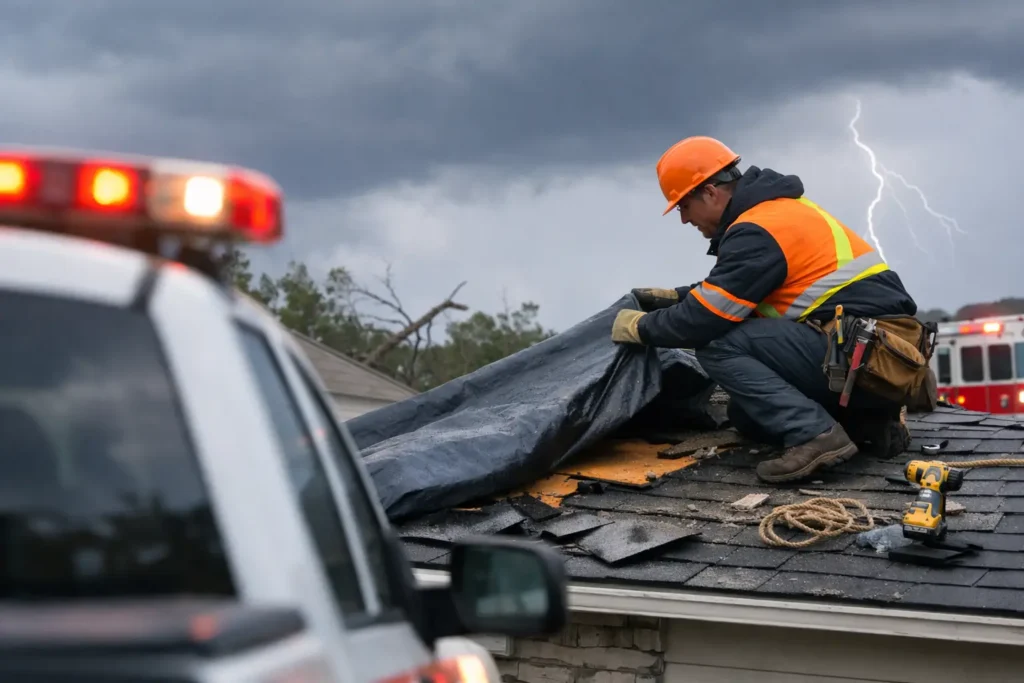
A roof problem rarely waits for a convenient time. A ceiling stain that appears after a hard rain, shingles scattered across the yard, or water dripping near an attic vent can quickly turn into a larger repair if it is left exposed. When you need Cicero emergency roof service, the first priority is protecting your home from additional water damage while getting a clear, honest assessment of what happened.
Central New York roofs take a beating. Heavy snow, ice dams, wind-driven rain, freeze-thaw cycles, and fallen limbs can all compromise materials that looked fine only days earlier. Fast action matters, but so does choosing a contractor who will explain the condition of your roof without pressure or guesswork.
When to Call for Cicero Emergency Roof Service
Not every roofing concern requires a same-day response, but active water entry and storm-related openings should never be treated as a wait-and-see problem. Water can move along roof decking, rafters, insulation, and walls before it becomes visible inside. By the time a stain reaches the ceiling, moisture may have already affected a much wider area.
Call for emergency help when you notice water actively entering the home, a large section of missing shingles, exposed roof decking, storm damage from a fallen branch, or a damaged chimney flashing area. A tarp-covered section after a storm also deserves prompt inspection. Temporary protection can limit the damage, but it is not a permanent repair.
A small leak can sometimes be scheduled during normal business hours if the weather is dry and the roof surface is stable. Even then, it should be inspected soon. A roofing professional can determine whether the issue is isolated flashing, a failed pipe boot, damaged shingles, a ventilation concern, or a broader roof-system problem.
What to Do Before Help Arrives
Your safety comes before the roof. Do not climb onto a wet, icy, or wind-damaged roof to inspect shingles or place a tarp. A roof can look stable from the ground while hiding soft decking, loose materials, or slippery ice.
Inside, move furniture, electronics, and valuables away from the affected area. Place a bucket under an active drip and use towels to control splashing. If the ceiling is bulging with trapped water, stay out from directly underneath it. A water-heavy ceiling can fail without much warning.
From the ground, take photos of visible damage if it is safe to do so. Photograph missing shingles, fallen branches, exterior damage, and interior water spots. These pictures may be useful when documenting a storm damage claim. Avoid making permanent repairs before an inspection unless the situation demands immediate protection. Improvised work can hide the source of the problem or create additional damage.
A Fast Response Should Still Include a Real Inspection
Emergency roofing is not simply about covering a hole. A proper response begins with finding the source of the water and checking the areas around it. Wind can lift shingles without removing them completely. Ice can force water beneath otherwise intact shingles. A leak near a chimney may be caused by flashing, masonry deterioration, a cracked chimney cap, or roof materials that have reached the end of their service life.
A qualified inspection should look at the roof covering, flashing, vents, valleys, ridge areas, gutters, roof decking where accessible, and the attic when conditions allow. The goal is to separate immediate protection from the permanent work needed to restore the roof.
That distinction is important. In severe weather, a temporary tarp or targeted emergency patch may be the right first step. It stops additional water intrusion while materials are ordered, insurance documentation is gathered, or weather conditions improve. If the affected area is small and surrounding materials are in good condition, a focused repair may be all that is needed. If the roof has widespread wear, repeated leaks, or hidden structural issues, replacement may offer better long-term value.
Common Emergency Roof Problems in Cicero
Wind damage is one of the most common reasons homeowners call after a storm. Shingles may be creased, lifted, torn away, or blown off entirely. Even when only a few shingles are missing, the exposed underlayment and decking can allow moisture to enter during the next rain or snow event.
Ice dams are another frequent Central New York concern. When warm air from the home melts snow on the upper roof and that water refreezes near the eaves, it can form a barrier that pushes water back beneath the shingles. The visible ice is frustrating, but the larger concern is water entering the roof edge, soffit, walls, or ceiling.
Fallen limbs can puncture shingles, crack decking, damage gutters, or strike chimney structures. The obvious impact point is only part of the inspection. Nearby shingles, flashing, and framing may also need attention. Older roofs can develop sudden leaks as sealants fail, flashing corrodes, or shingles become brittle after years of seasonal temperature changes.
Repair, Replacement, or Temporary Protection?
The right recommendation depends on the age of the roof, the size of the damaged area, the condition of surrounding materials, and whether the structure beneath the shingles has been affected. A dependable contractor should not push replacement when a repair can restore protection. At the same time, repeated patching on a worn-out roof can become more expensive and stressful than addressing the larger issue.
A repair is often practical when damage is limited to one area and matching materials are available. Flashing repairs, pipe boot replacement, isolated shingle replacement, and small decking repairs can solve many leaks when handled correctly.
Replacement becomes more reasonable when shingles are broadly deteriorated, leaks have occurred in multiple locations, storm damage is extensive, or the roof is approaching the end of its expected life. If water has affected decking across a large section, the repair should address the substrate rather than simply covering the damaged surface with new shingles.
Temporary protection is useful when weather makes a full repair unsafe or when a storm has created immediate exposure. It buys time, but it should come with a plan for the next step. Homeowners deserve to know what was done, what remains vulnerable, and when permanent repairs should be completed.
Storm Damage and Insurance Questions
After a major wind or impact event, homeowners often wonder whether insurance may help cover the damage. The answer depends on the policy, the cause of loss, the age and condition of the roof, and the scope of documented damage. A contractor cannot decide what an insurer will approve, but a thorough inspection and clear damage documentation can help you understand the condition of your home before you speak with your carrier.
Keep records of the date of the storm, photos of visible damage, interior water intrusion, and any temporary emergency work completed to prevent further loss. Ask for a straightforward explanation of the proposed repair or replacement, including what materials and areas are involved. Clear documentation helps avoid confusion when multiple parties are reviewing the damage.
Alpha Omega Roofing LLC approaches emergency calls with the same focus homeowners expect from a local contractor: protect the property first, inspect carefully, explain the options clearly, and complete the work with durable materials suited to Central New York weather.
Choose a Contractor Who Gives You Clear Answers
An emergency can make any homeowner feel pressured to make a quick decision. You should still expect professionalism. Ask whether the contractor is insured, how the immediate area will be protected, what the temporary and permanent options are, and whether the estimate explains the scope of work. A reliable roofing company will answer directly and avoid vague promises.
The lowest price is not always the lowest cost. A rushed patch that misses damaged flashing or wet decking can lead to another leak, interior repairs, and more disruption later. Good emergency service balances speed with workmanship. It addresses the urgent problem without ignoring the reason it happened.
If your Cicero home has an active leak, visible storm damage, or a roof section that no longer looks secure, do not wait for the next round of rain or snow to find out how serious it is. A prompt inspection can protect more than your shingles – it can protect the rooms, belongings, and peace of mind beneath them.