
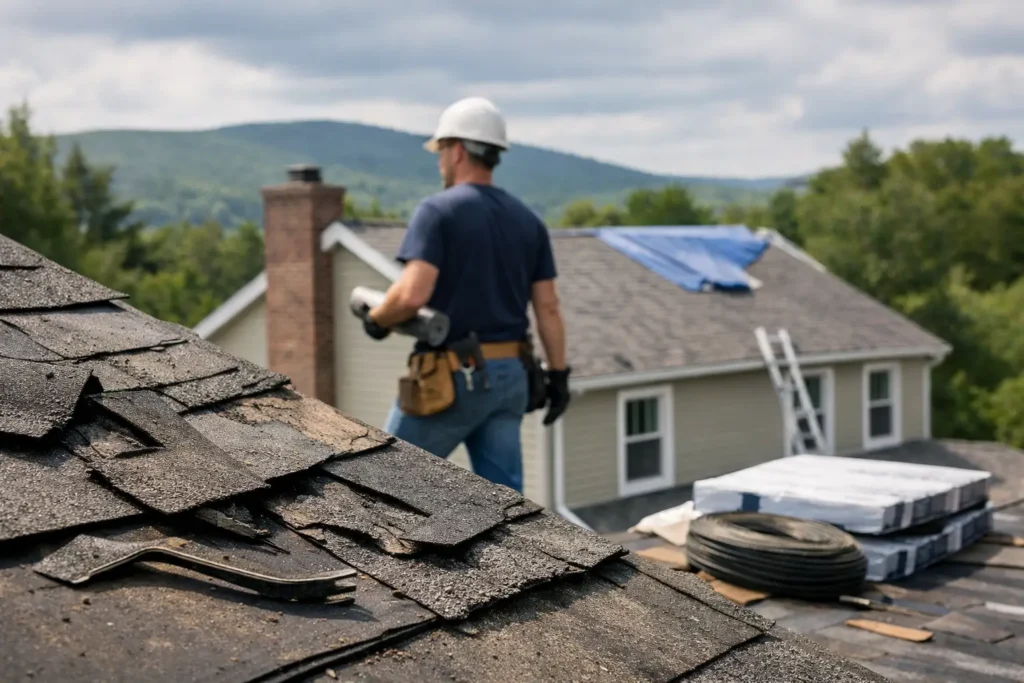
A roof rarely fails on a convenient day. It starts with a water spot after a hard rain, a shingle in the yard after high winds, or a repair that holds for one season and then gives way again. For Central New York homeowners, a timely roof replacement is not just a curb appeal project. It is a decision that protects the framing, insulation, ceilings, and belongings underneath your roof before another round of snow, ice, and wind arrives.
When Roof Replacement Is the Smarter Choice
Not every roofing problem requires a full replacement. A few missing shingles, a small flashing issue, or minor damage in one area may be repairable when the rest of the roof is in good condition. The key question is whether the issue is isolated or part of a larger pattern.
Replacement becomes the practical choice when repairs keep adding up, shingles are brittle or curling across broad sections, granules are collecting in gutters, or leaks are appearing in more than one place. A roof near the end of its expected service life can also become harder to repair properly because surrounding materials may crack or fail during the work.
Inside the home, look for ceiling stains, damp attic insulation, peeling paint near exterior walls, or a musty odor in the attic. These signs do not always point to a roof leak, but they should be checked promptly. Water can travel along framing before it becomes visible, so the stain you see may not be directly below the source.
Storm damage deserves special attention. Wind can lift shingles without tearing them off completely, breaking the seal that keeps water out. Hail can bruise shingles in ways that are difficult to identify from the ground. After a major storm, a professional inspection gives you a clear picture of whether repairs will provide reliable protection or whether replacement is warranted.
What a Roof Replacement Should Include
A quality roof is a complete system, not simply a new layer of shingles. The visible material matters, but so do the components beneath and around it. Cutting corners on those details can create problems long before the shingles themselves wear out.
A thorough scope of work should address removal of old roofing materials when needed, inspection of the roof deck, underlayment, ice and water protection in vulnerable areas, flashing at chimneys and wall transitions, ventilation, and proper cleanup. If damaged plywood is discovered after the old roof comes off, it should be replaced before new materials are installed. Covering soft or rotted decking only hides a problem that can compromise the new roof.
Why ice and water protection matters here
Central New York winters put extra pressure on a roof. Snow buildup and freeze-thaw cycles can lead to ice dams, where melting water backs up near the eaves. Shingles are the first line of defense, but they are not designed to hold standing water indefinitely. Proper protective membrane placement, ventilation, and attic insulation all play a role in managing that risk.
No contractor can promise that a roof will never see ice buildup during an extreme winter. What good workmanship does provide is a system designed for local conditions, with careful attention to the places where water intrusion is most likely to begin.
Ventilation is part of roof performance
A hot, poorly ventilated attic can shorten shingle life and contribute to moisture issues. In winter, warm air escaping into the attic can accelerate snow melt on the roof surface, which may worsen ice-dam conditions at the colder eaves. The right ventilation plan depends on the home’s roof design, existing intake and exhaust ventilation, insulation, and attic layout.
This is why an estimate should not be based only on a quick look at the shingles. A contractor should evaluate the full roof system and explain any ventilation concerns in plain language.
Choosing Materials for Your Home and Budget
Architectural asphalt shingles are a common choice for many homeowners because they offer dependable performance, a broad range of colors, and a reasonable balance of cost and longevity. They work well on most residential roof designs and can provide a substantial improvement over older three-tab shingles.
The best material is not automatically the most expensive one. Your decision should account for the roof’s slope, the home’s architectural style, expected time in the home, budget, and local weather exposure. Premium shingles may offer enhanced wind ratings, impact resistance, or deeper visual dimension, but those benefits should be weighed against the added cost.
Color also deserves more thought than homeowners often expect. A roof color should complement siding, brick, stone, trim, and the home’s setting. Darker shingles can create a traditional look, while lighter or blended colors may better suit certain exterior palettes. Viewing full-size samples outdoors is more reliable than choosing from a small printed swatch.
The Roof Replacement Process, Without Surprises
The most stressful part of replacing a roof is usually the uncertainty. A straightforward process starts with a detailed inspection and a written estimate that explains the recommended work, materials, and known conditions. Homeowners should understand what is included before scheduling begins.
Once the project is scheduled, prepare the property by moving vehicles away from the work area, covering or relocating fragile items in the attic, and securing outdoor furniture or decorations. Roofing is active, noisy work. There will be movement around the home, material delivery, and debris removal, but a professional crew will work to keep the site organized and protect landscaping, siding, and other exterior features.
The timeline depends on roof size, complexity, weather, deck repairs, and material availability. Many standard residential projects can be completed quickly, but steep slopes, multiple roof lines, chimney work, or unexpected deck damage can add time. A contractor who gives an honest timeline is more valuable than one who makes promises that do not account for weather or site conditions.
At the end of the job, the roof should be inspected for workmanship and cleanup. Ask how debris and nails will be handled, what warranty coverage applies, and whom to contact if you have a question after completion. Those answers should be clear before the first shingle is installed.
Questions to Ask Before Hiring a Roofing Contractor
Price matters, but the lowest estimate is not always the lowest long-term cost. Compare proposals based on scope, materials, installation details, insurance coverage, and the contractor’s willingness to explain the work. A vague estimate can leave room for unexpected omissions later.
Ask whether the contractor is insured, how damaged decking is handled, what underlayment and flashing work are included, and whether the crew has experience with roofs like yours. If storm damage may be involved, ask how the contractor documents findings for your records and whether they can help you understand the repair or replacement process when working with an insurance claim. The contractor should never pressure you to file a claim, but clear documentation can be valuable.
Also pay attention to communication. You should know who will answer questions, when work is expected to begin, and what happens if rain or high winds delay the project. Dependable service is not just about installing shingles correctly. It is about being accountable from the first inspection through final cleanup.
Do Not Wait for a Major Leak
A small leak is often the last warning, not the first. By the time water reaches a finished ceiling, moisture may have already affected the roof deck, insulation, or framing. Scheduling an inspection when you notice aging, storm damage, or repeated repair needs gives you more options and more time to plan.
For homeowners in Syracuse and across Central New York, the right replacement should feel like a clear, well-managed investment, not a guessing game. Alpha Omega Roofing LLC can inspect the roof, explain the condition honestly, and provide a free estimate built around the protection your home needs before the next storm tests it.