
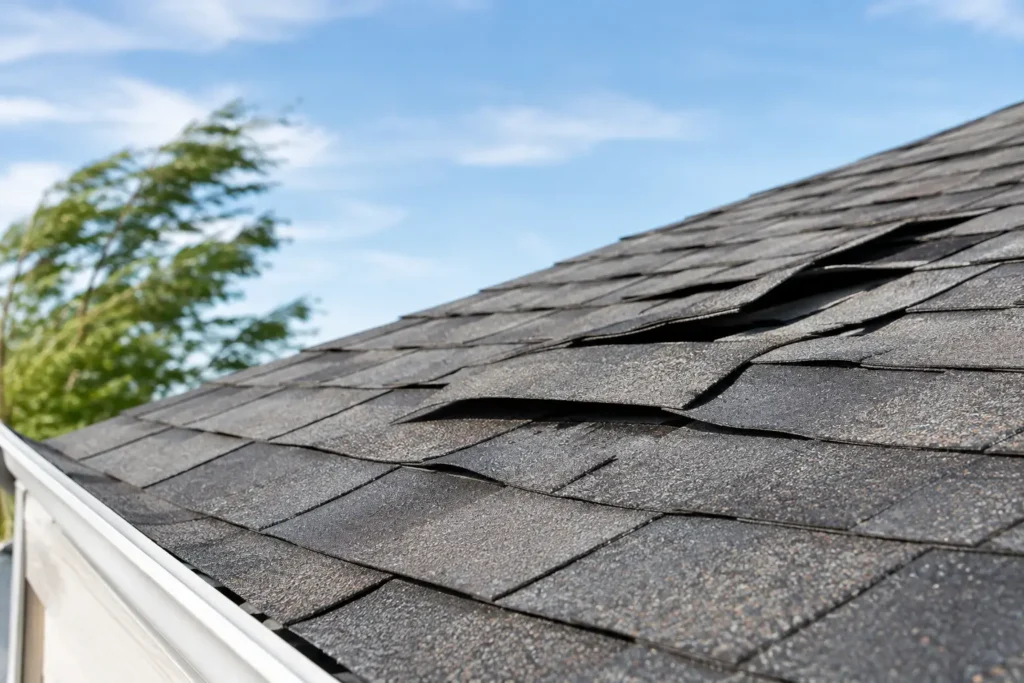
A roof can look perfectly normal from the driveway after a windy night, yet have loose shingle tabs, broken seals, or exposed fasteners near the ridge. So, can wind lift roof shingles? Yes. Even winds that do not seem extreme can catch vulnerable shingles and begin a problem that worsens with the next rainstorm, freeze-thaw cycle, or gusty day.
For homeowners in Syracuse and across Central New York, wind damage is rarely just about a few shingles blowing into the yard. A lifted shingle can allow water to reach the roof deck and underlayment, creating the conditions for leaks, wood damage, mold, and interior repairs. Acting early is usually simpler and less expensive than waiting for a ceiling stain to appear.
How Wind Lifts Roof Shingles
Wind does not need to rip an entire shingle off to cause trouble. As air moves over a roof, it creates uplift pressure. The effect is strongest along roof edges, ridges, hips, valleys, dormers, and around chimneys, where wind changes direction and can get beneath a shingle tab.
Most asphalt shingles are installed in overlapping courses and secured with nails and an adhesive strip. Under normal conditions, that system is built to shed water and resist wind. But age, installation details, temperature, roof shape, and previous storm damage all affect how well it holds up.
When wind gets beneath a shingle, it can bend the tab upward. If the adhesive seal breaks or the fasteners loosen, the shingle may not lie flat again. It can crease, crack, tear around the nails, or detach completely. Once one section opens up, neighboring shingles become more exposed to the same force.
The concern is not limited to severe thunderstorms. Long periods of steady wind can work on an aging roof, particularly when shingles have become brittle from years of sun, snow, and temperature swings. Winter conditions can add another complication: ice and repeated freezing can stress materials that were already beginning to fail.
Why Some Roofs Are More Vulnerable to Wind Damage
A newer roof with properly installed, well-sealed shingles has a better chance of handling high winds than an older roof nearing the end of its service life. Still, age alone is not the whole story. A roof can be relatively new and remain vulnerable if the shingles were improperly nailed, the wrong number of nails was used, or the nails were placed outside the manufacturer’s required nailing zone.
Missing or damaged flashing can also let wind and water reach areas that should be protected. Chimneys, skylights, vents, and wall intersections need careful flashing work because they interrupt the otherwise simple flow of shingles. These are common locations for leaks after a storm.
Roof design matters as well. Steeper slopes, open exposures, multiple roof lines, and tall sections can all experience stronger wind pressure. A house surrounded by mature trees may be partly shielded from wind, but it also faces the risk of branches scraping shingles or falling onto the roof.
It depends on the roof, the storm, and the condition of the materials. That is why a professional inspection is more reliable than trying to judge storm damage from the ground alone.
Signs Wind Has Lifted Your Shingles
You do not need to climb onto the roof to spot every warning sign. In fact, walking on a roof can be unsafe and may cause additional damage. Start with a careful ground-level check after a windstorm, using binoculars if you have them.
Look for these signs:
- Shingles that appear curled, raised, creased, or out of line with surrounding courses
- Missing shingles or exposed areas of black underlayment or bare roof deck
- Shingle pieces, granules, or roofing nails around the home, driveway, or gutters
- Loose metal flashing near chimneys, roof vents, skylights, or wall transitions
- Water spots on ceilings, damp attic insulation, or a musty smell in upper rooms
- Debris or tree limbs resting on the roof
A lifted shingle may settle back into place after the wind stops, which can make damage easy to miss. The adhesive seal may still be broken beneath it, and the shingle could lift again during the next storm. If you see even a small suspicious area, it is worth having it evaluated before rain finds the opening.
What to Do After a Windstorm
Your first job is safety. Stay clear of downed power lines, unstable tree limbs, and damaged roof areas. If water is coming into the home, place containers beneath active drips, move furniture and valuables away from the area, and avoid touching wet electrical fixtures.
Next, document what you can safely see. Take photos of missing shingles, debris, visible roof damage, ceiling stains, and any branches that struck the house. This record can be helpful if the damage leads to an insurance claim. Do not pull up shingles, climb a ladder in poor conditions, or make a temporary repair that could complicate a later inspection.
Then arrange a roof inspection promptly. A qualified local roofing contractor can determine whether the issue is limited to a repairable area or whether wind has affected multiple slopes, flashing details, or the underlying roof system. They can also explain the findings in straightforward terms, so you can make a decision based on the actual condition of your roof rather than guesswork.
Can Lifted Shingles Be Repaired?
Often, yes. If damage is isolated and the surrounding shingles are in good shape, a targeted repair may restore protection. The contractor may replace torn or missing shingles, reseal tabs where appropriate, secure loose flashing, and inspect the area for moisture intrusion.
However, repair is not always the best long-term choice. On an older roof, shingles can become brittle enough that removing a damaged piece breaks nearby materials. Color matching can also be difficult on weathered roofs. If wind has lifted shingles in several areas or exposed broader installation issues, replacement may be the more dependable option.
The right answer should be based on the condition of the roof, not a one-size-fits-all recommendation. A clear inspection should identify what is damaged, what can be repaired, and what risks remain if repairs are delayed.
Preventing Future Wind Damage
No roof is completely storm-proof, but proper workmanship and maintenance can make a meaningful difference. Keep gutters clear so water can drain freely, and trim dead or overhanging branches that could strike the roof in high winds. After major storms, take a quick look around the exterior and attic for signs of damage.
If your roof is aging, an inspection before storm season can uncover loose flashing, worn seal strips, exposed fasteners, and damaged shingles before wind turns small weaknesses into a leak. When replacement becomes necessary, ask about shingles designed for higher wind resistance and make sure the installation includes proper fastening, ventilation, underlayment, and flashing details.
A roof is not just a layer of shingles. It is a system, and every component has to work together when Central New York weather turns rough.
If you suspect wind has lifted roof shingles on your home, do not wait for a leak to confirm it. Alpha Omega Roofing LLC can inspect the damage, explain your options clearly, and help protect your home before a small opening becomes a larger repair.