
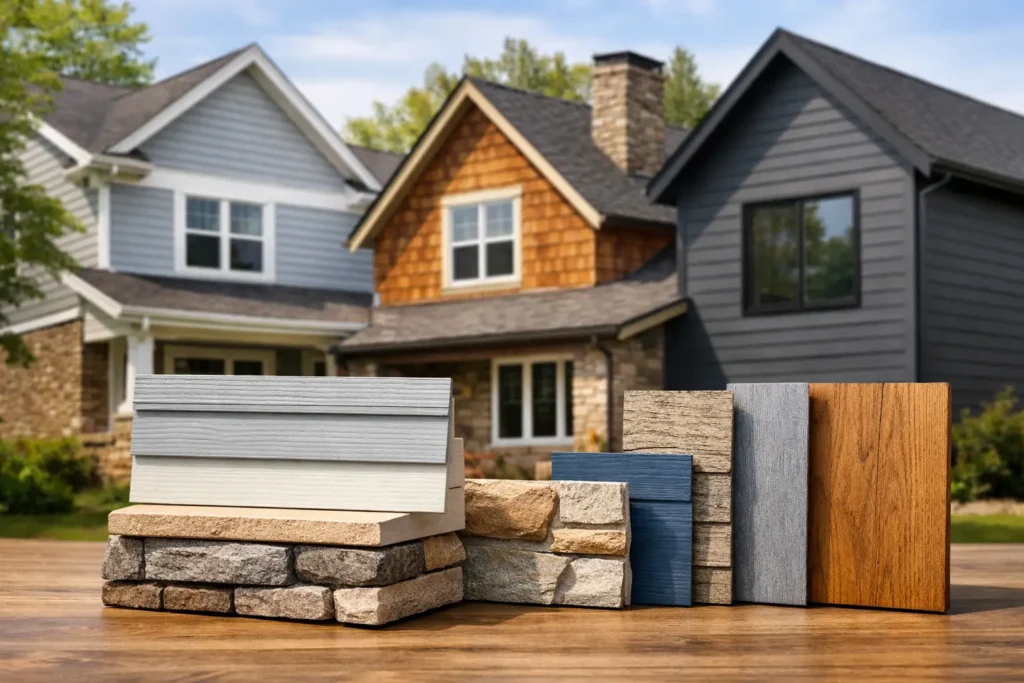
A siding choice that looks great in July can become a problem by February if it is not built for freeze-thaw cycles, wind, moisture, and long winters. For homeowners comparing the best house siding materials, the real question is not just what looks good on day one. It is what will still protect your home, hold up to Central New York weather, and make sense for your budget years from now.
That is where many siding decisions go wrong. A product may be marketed as low maintenance or premium, but those labels do not tell you how it performs when snow sits against the house, heavy rain gets driven by wind, or the sun bakes one side of the home all summer. The best siding material depends on your home’s age, your neighborhood, your maintenance expectations, and how long you plan to stay in the house.
What matters most when choosing the best house siding materials
For most homeowners, siding needs to do four jobs well. It should protect the structure from water, hold up against weather, improve curb appeal, and keep maintenance manageable. Cost matters too, but the cheapest option up front is not always the least expensive over time.
In Central New York, weather performance should stay at the top of the list. Siding takes a beating here. That means you want a material that handles moisture well, resists cracking or warping, and performs reliably through temperature swings. Good installation matters just as much as the product itself, because even strong siding can fail early if the trim, flashing, or moisture barrier is done poorly.
Vinyl siding
Vinyl remains one of the most common choices for a reason. It is affordable, widely available, and available in many colors and profiles. For homeowners who want a practical balance of appearance and cost, vinyl is often the first material worth considering.
Its biggest advantage is value. Vinyl generally costs less than fiber cement, engineered wood, or natural wood, and it does not need regular painting. That keeps long-term maintenance simpler for busy homeowners who do not want another exterior project every few years.
The trade-off is durability and appearance at the higher end of the market. Standard vinyl can crack in very cold temperatures if it takes a hard impact, and lower-grade products can fade or look thin over time. Better insulated or premium vinyl options perform better, but not all vinyl is created equal. If you choose vinyl, product quality and installation detail make a major difference.
For many homes in Syracuse and nearby communities, vinyl is a smart choice when the goal is solid weather protection, lower upkeep, and a reasonable project price.
Fiber cement siding
Fiber cement has earned a strong reputation because it offers a more substantial look and excellent durability. It is made to resist rot, insects, and fire, and it holds paint well. If you like the look of painted wood siding but want something tougher, fiber cement is often the best fit.
It performs well in harsh climates, which makes it attractive for New York homeowners. It is less likely to warp than wood, and it can handle moisture better when installed correctly. It also gives homes a more upscale appearance, especially when paired with clean trim details and quality color choices.
The downside is cost. Fiber cement usually costs more to install than vinyl, in part because it is heavier and more labor intensive. It also still requires painting or repainting over time. So while it is lower maintenance than wood, it is not no-maintenance.
Homeowners who plan to stay in their home for years often see fiber cement as a worthwhile investment because of its durability and finished look.
Engineered wood siding
Engineered wood gives you the warmth and texture of wood with better resistance to moisture and impact than traditional wood siding. It is designed to be more stable and durable while preserving a classic appearance that many homeowners prefer.
This option can be a strong middle ground. It usually costs less than fiber cement but offers a more refined look than basic vinyl. It is lighter than fiber cement, which can help with installation, and many products are treated to resist fungal decay and pests.
Still, engineered wood is not maintenance free. It needs proper finishing and ongoing care to deliver its expected lifespan. If exposed edges are neglected or installation is rushed, moisture problems can still develop. For homeowners who want character without the full burden of natural wood, engineered wood can be a very good compromise.
Natural wood siding
Wood siding has curb appeal that is hard to match. It brings real texture, warmth, and architectural character, especially on older homes or homes with a more traditional design. If appearance is your top priority, wood will always be part of the conversation.
But wood asks more from the homeowner. It needs regular painting, staining, or sealing. It is more vulnerable to moisture damage, insect activity, and wear if maintenance falls behind. In a region with snow, rain, humidity, and seasonal shifts, that maintenance schedule matters.
Wood can still be the right choice for the right home. Historic properties, custom homes, and homeowners committed to upkeep may decide the appearance is worth it. For many families, though, the maintenance demands make other materials more practical.
Metal siding
Metal siding is less common in residential neighborhoods than vinyl or fiber cement, but it does have advantages. Aluminum and steel can be highly durable, resistant to pests, and effective in certain modern or utility-focused designs.
Steel is especially strong, though it can be vulnerable to rust if protective coatings are damaged. Aluminum resists rust but can dent more easily. Both options can offer long life with relatively low maintenance, but they may not match the style many homeowners want for a traditional residential exterior.
Metal can make sense for specific home designs or homeowners who prioritize durability over a softer, more residential look.
Brick and stone veneer
Brick and stone veneer are not siding in the same sense as vinyl or fiber cement lap siding, but they are often part of the same decision. These materials offer excellent durability and a high-end appearance. They stand up well to weather and can dramatically improve curb appeal.
The main drawback is price. Veneer systems are usually more expensive than standard siding materials, and design choices matter. Used well, they add character and value. Overused or poorly matched, they can make a house look visually heavy or dated.
For some homeowners, the best result is not choosing veneer for the entire house, but using it as an accent with another main siding material.
Which of the best house siding materials is right for your home?
If your top concern is budget and low maintenance, vinyl is often the most practical answer. If you want a more premium appearance and are comfortable with a higher upfront investment, fiber cement is hard to ignore. If you want wood character with fewer drawbacks, engineered wood deserves a close look.
The right answer also depends on the home itself. A historic house may look best with materials that preserve its original style. A newer suburban home may benefit more from durable, low-maintenance products that fit the neighborhood. If you are planning to sell soon, cost recovery and curb appeal may matter more than a 30-year maintenance plan. If this is your long-term home, durability and quality installation should carry more weight.
Installation matters as much as the material
This is the part homeowners often do not hear enough about. Even the best house siding materials can fail early if the installation is careless. Water gets in through weak points, not through marketing brochures. Corners, trim, flashing, house wrap, soffits, and transitions around windows and doors all need to be handled correctly.
That is why siding should never be judged only by the panel on display. Ask how moisture will be managed behind the siding. Ask what condition the sheathing is in. Ask whether any storm damage, rot, or trim issues need to be addressed first. A good contractor will explain those details clearly instead of rushing straight to color samples.
For homes in areas like Syracuse, where weather exposure is a real factor, proper installation is what turns a siding product into a long-term protective system.
A practical way to make the decision
Start with your priorities. If you want the lowest upkeep possible, narrow the list quickly. If appearance matters most, compare the styles that fit your home. If you have had moisture problems before, focus on durability and installation quality over decorative upgrades.
Then think in real terms, not just material prices. A lower bid may leave out trim replacement, water-damaged sheathing, or better underlayment. A more complete project often protects your home better and saves money later.
If you are weighing options for your home, the best next step is a clear exterior inspection and an honest conversation about what fits your house, your budget, and your long-term plans. The best siding choice is the one that keeps doing its job long after the project is finished.